STRENGTHENING SOLIDARITY AND SUPPORT A CALL FOR UNITY AMONG WOMEN HUMAN RIGHTS DEFENDERS IN THE ALBERTINE REGION

STRENGTHENING SOLIDARITY AND SUPPORT: A CALL FOR UNITY AMONG WOMEN HUMAN RIGHTS DEFENDERS IN THE ALBERTINE REGION

On 19th July 2024, a virtual regional coordination meeting brought together Women Human Rights Defenders (WHRDs) from the Albertine region to discuss ongoing challenges, share strategies, and strengthen collaboration. While only a portion of the 26 invited participants were able to attend, the meeting highlighted critical issues impacting the work of WHRDs in the region.

The gathering began with a warm welcome and a call to active participation. Attendees shared their recent experiences, including supporting victims of domestic violence, reporting financial exploitation, and advocating for the rights of marginalized groups. Despite facing threats and intimidation, such as harassment from local authorities and male counterparts, the WHRDs expressed determination in their efforts.

Participants discussed best practices, emphasizing the importance of sensitizing community leaders about the vital role WHRDs play. Additionally, they stressed the need for capacity-building to enhance their ability to navigate these challenges. Collaboration and communication were identified as key to avoiding isolation and ensuring collective action.

The meeting concluded with a commitment to gather and report incidents of attacks and threats faced by WHRDs in the region, fostering a stronger network for collective protection. Participants were encouraged to continue sharing insights and supporting one another in their ongoing work to defend women’s rights. This meeting underscored the unwavering resilience of WHRDs in the Albertine region, and the ongoing need for solidarity, protection, and empowerment

STRENGTHENING SOLIDARITY AND PROTECTION FOR WOMEN HUMAN RIGHTS DEFENDERS IN BUSOGA

STRENGTHENING SOLIDARITY AND PROTECTION FOR WOMEN HUMAN RIGHTS DEFENDERS IN BUSOGA

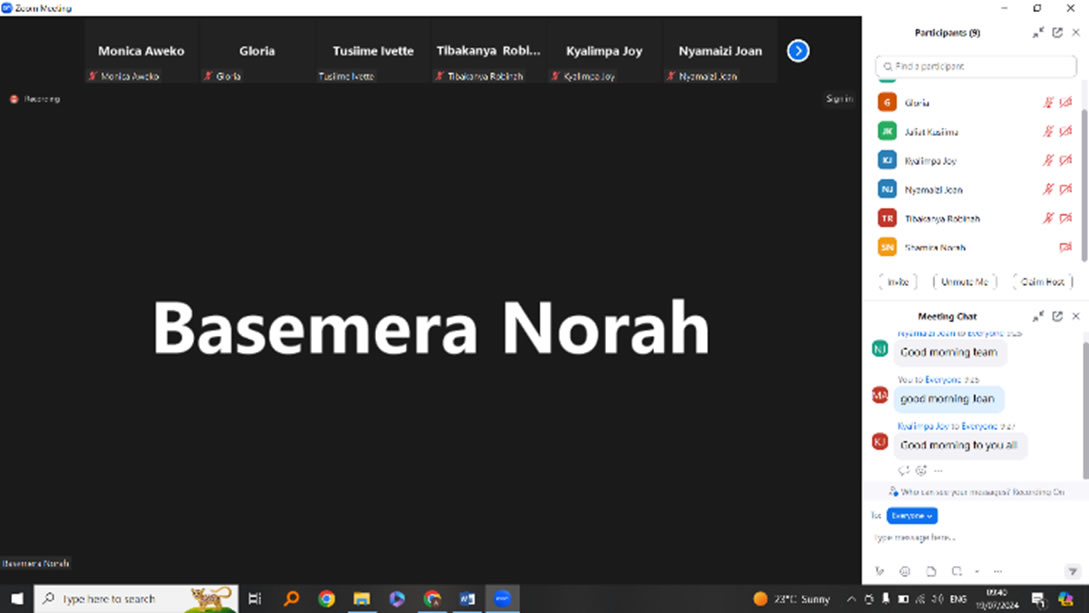
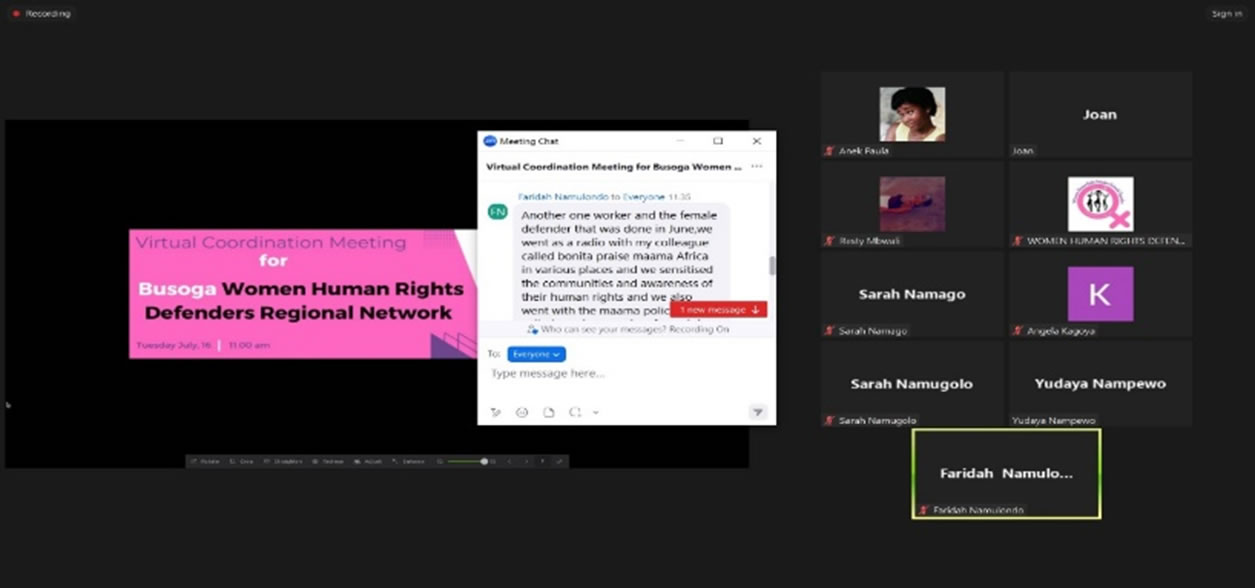
On 16th July 2024, women human rights defenders (WHRDs) from the Busoga region gathered for a virtual coordination meeting to share their experiences, discuss the challenges they face, and explore strategies to enhance their human rights work. Organized by WHRDN-U, the meeting emphasized the importance of building solidarity and fostering a safe environment for defenders across districts.

During the meeting, participants provided updates on their efforts to promote children’s rights, support victims of domestic violence, and fight against land grabbing and sexual harassment. From conducting sensitization campaigns to offering legal assistance, these WHRDs continue to demonstrate resilience in the face of adversity.

However, their work is not without risks. Attendees highlighted various threats, including death threats, intimidation, and verbal attacks. Despite these challenges, the group remains committed to advancing human rights and improving the safety of their communities. They shared best practices, such as organizing regular coordination meetings, resource mobilization, and self-care sessions to ensure their well-being.

In the spirit of mutual support, action points were established, including identifying new WHRDs in their districts and collaborating on outreach activities. This collective effort is crucial for creating a more coordinated and protected network of women defenders in the region.

WHRDN-U continues to be a vital platform for providing protection, capacity building, and networking opportunities, helping to empower women human rights defenders to overcome the unique challenges they face. As they move forward, the unwavering solidarity of the Busoga WHRDs remains a beacon of hope for their communities and a powerful force in the fight for justice.

EMPOWERING WOMEN HUMAN RIGHTS DEFENDERS IN UGANDA: A CALL TO ACTION FOR COLLECTIVE PROTECTION AND RESILIENCE

EMPOWERING WOMEN HUMAN RIGHTS DEFENDERS IN UGANDA: A CALL TO ACTION FOR COLLECTIVE PROTECTION AND RESILIENCE

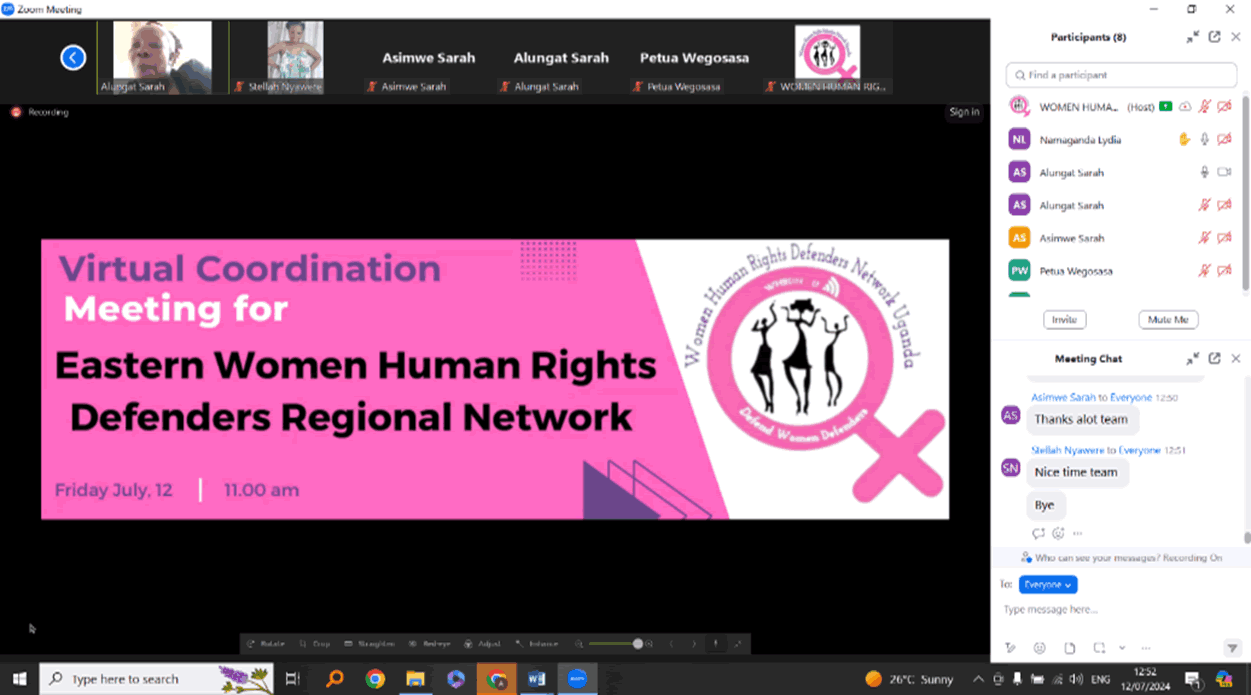
On 12 July 2024,  Women Human Rights Defenders (WHRDs) from across Uganda convened for a crucial virtual meeting aimed at strengthening solidarity, addressing challenges, and enhancing strategies for the protection of WHRDs. Despite an invitation to 22 participants, 14 WHRDs actively engaged in the session, sharing updates, exchanging best practices, and setting action points for future collaboration.

Highlights of the Meeting

1. Updates from WHRDs
Participants shared inspiring stories of resilience and impact. WHRDs reported on interventions such as supporting survivors of gender-based violence, rescuing teenage girls from forced marriage, and facilitating the return of children to their families. Others provided legal support for sex workers and followed up on justice for victims of violence. These updates showcased the unwavering commitment of WHRDs to uphold human rights in their communities, often at great personal risk.

2. Current Challenges and Threats
The meeting highlighted the dangers WHRDs face in their work. Participants reported threats from community members, police harassment, and financial constraints that hinder their ability to follow up on cases. For instance, one WHRD faced community backlash for intervening in a case of a family whose house was set on fire, while another experienced hostility from police while following up on cases. The safety and well-being of WHRDs remain a significant concern that requires collective action and support.

EMPOWERING WOMEN HUMAN RIGHTS DEFENDERS IN UGANDA A CALL TO ACTION FOR COLLECTIVE PROTECTION AND RESILIENCE1

3. Best Practices and Strategies
Participants shared strategies to enhance the protection of WHRDs. Suggestions included fostering collaboration with local authorities and police, documenting human rights achievements, and organizing support meetings to strengthen solidarity among WHRDs. Building strong relationships with duty bearers was emphasized as a critical approach to mitigating risks and threats.

4. Action Points and Next Steps
The WHRDs identified key action points to sustain momentum and strengthen protection. Notably, they committed to organizing an exchange visit with a female journalist to understand the challenges faced by women in media and build synergies. Additionally, they plan to engage with senior gender officers to discuss protection strategies and establish working relationships for future collaboration.Meeting minutes for virtual regional coordination meeting for Eastern regional WHRDs.

ENHANCING LEGAL PROTECTION FOR WOMEN HUMAN RIGHTS DEFENDERS (WHRDS) IN UGANDA

ENHANCING LEGAL PROTECTION FOR WOMEN HUMAN RIGHTS DEFENDERS (WHRDS) IN UGANDA

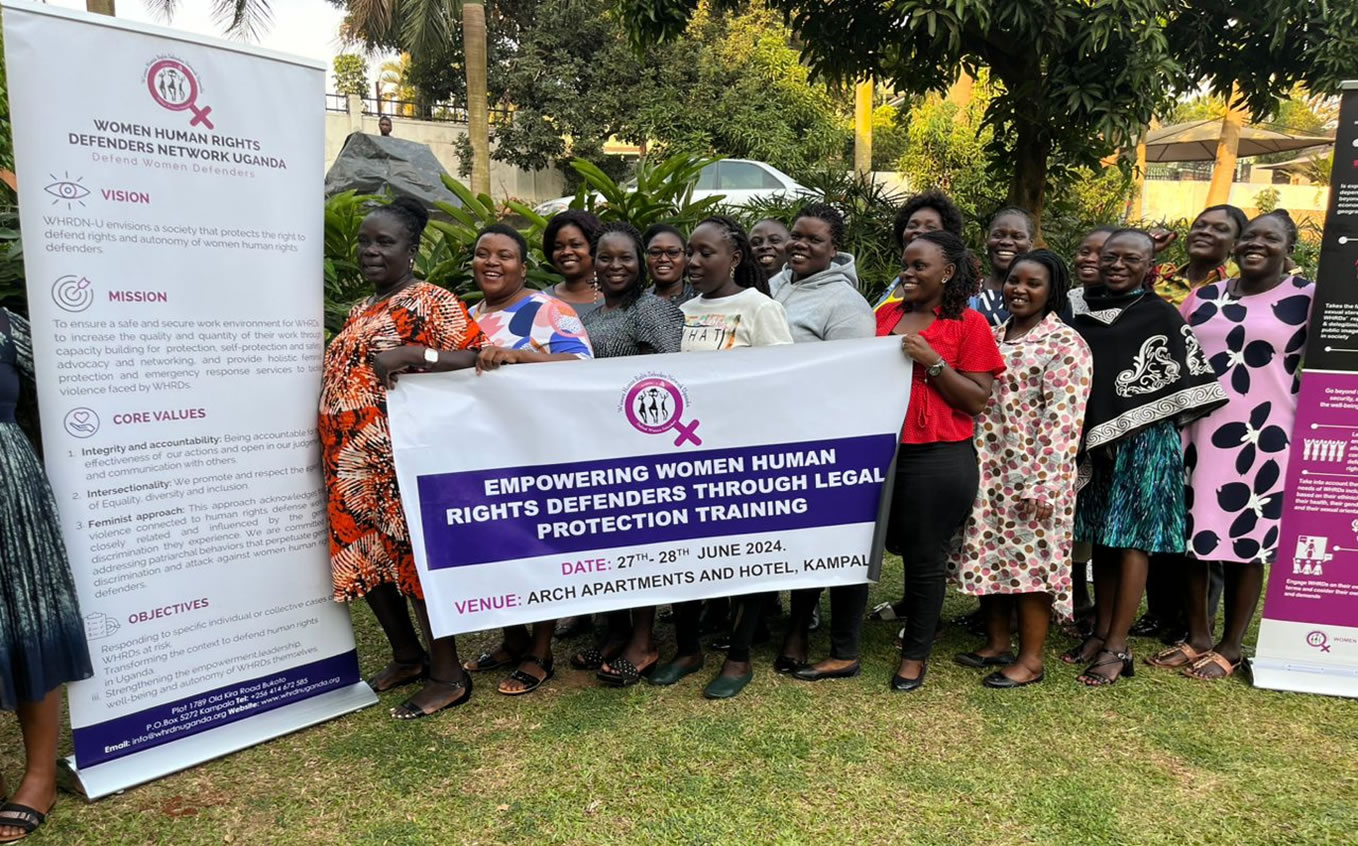
The Women Human Rights Defenders Network Uganda (WHRDN-U) recently conducted a two-day legal protection training for Women Human Rights Defenders (WHRDs) and staff from community-based organizations (CBOs) and non-governmental organizations (NGOs). The workshop, held on 27th and 28th June 2024 at Arch Apartments Hotel, Ntinda, aimed to equip WHRDs with the skills to navigate Uganda’s complex legal compliance landscape. The training addressed the growing risks posed by the shrinking civic space and restrictive regulations that threaten WHRDs’ advocacy efforts.

Objectives of the Training

  1. Reflecting on Civic Space: Assess the state of Uganda’s civic space and its impact on WHRDs’ work.
  2. Legal Compliance Awareness: Increase awareness of Uganda’s legal obligations for WHRDs and their organizations.
  3. Developing Resilient Strategies: Develop strategies to help WHRDs navigate the current operating environment.

Key Training Components

  1. Understanding Legal Obligations: Facilitated by legal experts from Chapter Four Uganda, participants learned about NGO registration, data protection, submission of annual returns, and filing of key organizational documents with the Uganda Registration Services Bureau (URSB) and other authorities.
  2. Navigating Civic Space Challenges: The training highlighted challenges faced by WHRDs, such as complex registration processes, permit renewals, multiple reporting obligations, and negative rhetoric from government actors. Participants shared their experiences and explored strategies to overcome these obstacles.
  3. Addressing Anti-Money Laundering Compliance: Participants were introduced to compliance measures under Uganda’s anti-money laundering laws, focusing on identifying and mitigating risks associated with currency smuggling, false invoicing, and fund blending.
  4. Building Resilient Legal Strategies: WHRDs discussed how to strengthen organizational compliance by updating URSB information, filing company forms, renewing NGO permits, and registering organizational assets. Practical steps for ensuring compliance with the Financial Intelligence Authority (FIA), NGO Bureau, and Personal Data Protection Office (PDPO) were also shared.

Notable Reflections from WHRDs

  • One participant shared plans to maintain a dedicated register of directors and strengthen data protection protocols.
  • Another participant committed to incorporating key policies into their organization’s operations.
  • Others resolved to update their organizational addresses with the NGO Bureau, register their organization’s telephone in the entity’s name, and develop comprehensive data protection policies.
  • Participants also committed to meeting permit renewal requirements, training staff on data protection, and registering their organizations with the PDPO.

The training achieved significant outcomes, including:

  • Increased Legal Awareness: Participants gained in-depth understanding of Uganda’s regulatory landscape, empowering them to ensure compliance with legal obligations.
  • Improved Organizational Compliance: WHRDs now understand how to manage permit renewals, file returns, and safeguard organizational data.
  • Capacity Building: WHRDs committed to building internal systems to ensure consistent compliance with financial, legal, and data protection regulations.

The legal protection training marked a significant step towards ensuring that WHRDs operate in a legally compliant, safe, and sustainable manner. By fostering greater awareness and capacity, WHRDs are now better equipped to overcome operational challenges and continue their vital advocacy for human rights. The Women Human Rights Defenders Network Uganda (WHRDN-U) remains committed to supporting WHRDs as they work towards a more just, inclusive, and rights-respecting society.

STRENGTHENING PROTECTION FOR SEX WORKER WOMEN HUMAN RIGHTS DEFENDERS (SWRDS) IN UGANDA

STRENGTHENING PROTECTION FOR SEX WORKER WOMEN HUMAN RIGHTS DEFENDERS (SWRDS) IN UGANDA

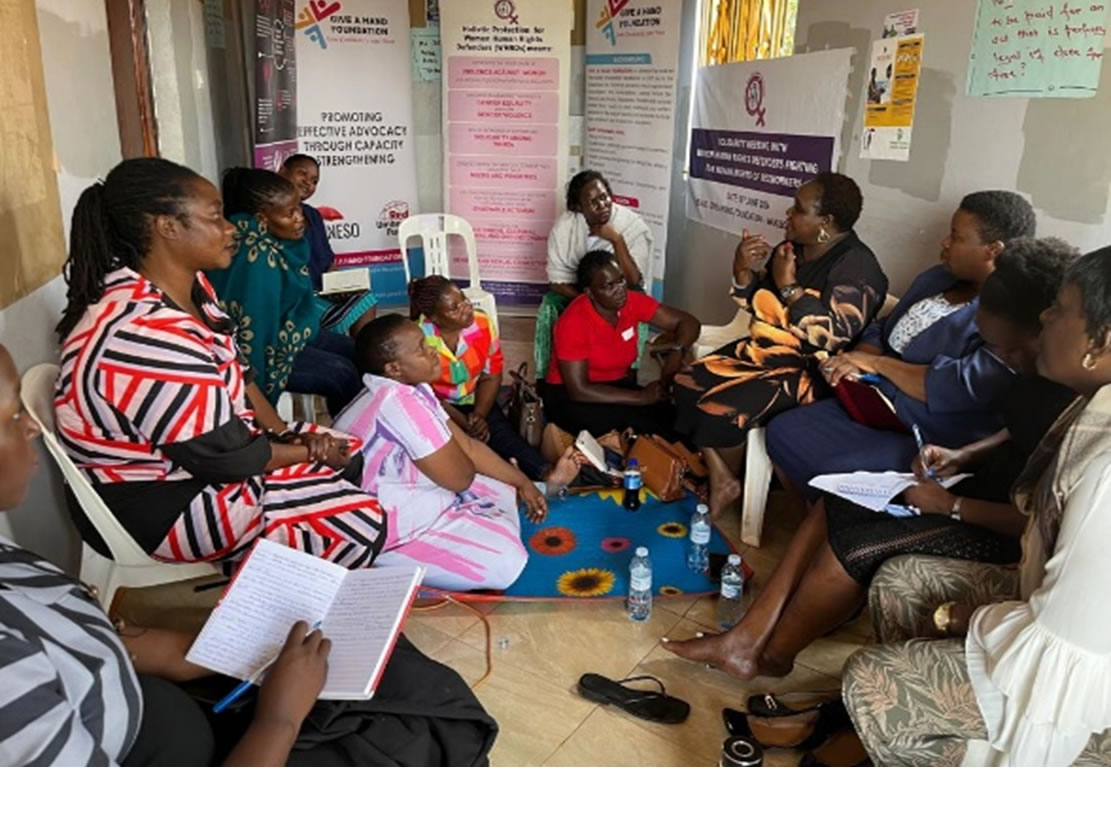
The Women Human Rights Defenders Network Uganda (WHRDN-U) recently convened a consultative meeting with nine Women Human Rights Defenders (WHRDs) advocating for the rights of sex workers. The half-day session provided a safe space for defenders to share experiences, discuss the impact of Uganda’s Anti-Homosexuality Act, 2023, and develop strategies to protect themselves and their communities from increasing attacks and threats.

Key Highlights of the Meeting

  1. Welcome Remarks

    – WHRDN-U leadership emphasized the importance of reporting violations to ensure timely protection and support. The network has committed to providing legal aid, relocation support, and capacity-building initiatives for WHRDs.
  2. Updates on Activism Work

    – WHRDs shared their ongoing efforts, such as legal support for detained sex workers, community-based human rights awareness, and providing educational support for children of sex workers.

    – Participants also noted the importance of building working relationships with key government stakeholders, including the Uganda Human Rights Commission and the Equal Opportunities Commission.
  3. Challenges and Violations Faced by SWRDs

    Physical Threats and Violence: Reports of femicide, physical assaults, and threats against family members.
    Arrests and Detentions: SWRDs face wrongful accusations, with some experiencing sexual abuse while in detention.
    Public Hostility and Hate Speech: Defenders endure verbal attacks from community members, cultural, religious, and government leaders.
    Raids on Homes and Offices: Police and local authorities conduct raids on SWRDs’ homes and offices, disrupting their work.
    De-registration and Closure Threats: Offices of SWRDs’ organizations face threats of deregistration and forced closure.
  4. Testimonies of Resilience
    – Participants shared personal stories, including harassment and threats from law enforcement and online defamation. Despite these challenges, they continue their advocacy for sex workers’ rights.
  5. Success Stories
    – SWRDs reported positive community impacts, such as supporting detained sex workers with legal aid, ensuring access to education for children of sex workers, and fostering human rights dialogue at community levels.
  6. Challenges Identified
    – A significant challenge identified was the reluctance of defenders to report cases of threats and attacks, which limits WHRDN-U’s ability to offer timely protection and support.

Recommendations for Strengthening Protection of SWRDs

  1. Capacity Building and Networking
    • Strengthen capacity-building initiatives and create networking opportunities for SWRDs to share strategies for movement-building and collective protection.
  2. Emergency Response and Protection Support
    • Provide emergency support to SWRDs targeted by hate speech, defamation, raids, and arrests, while also enhancing the security of their offices.
  3. Wellness and Self-Care Spaces
    • Establish physical spaces where SWRDs can access wellness and self-care sessions to strengthen their mental and emotional resilience.
  4. Visibility and Advocacy
    • Enhance the visibility of violations faced by SWRDs to raise awareness, mobilize support, and advocate for policy reforms.
STRENGTHENING PROTECTION FOR SEX WORKER WOMEN HUMAN RIGHTS DEFENDERS (SWRDS) IN UGANDA

The consultative meeting highlighted the urgent need for continuous support to SWRDs, who face intensified risks under Uganda’s current legal environment. By addressing the challenges and strengthening protection mechanisms for SWRDs, Uganda can create a safer and more inclusive society that upholds the rights and dignity of all its people.

STRENGTHENING PROTECTION FOR WOMEN HUMAN RIGHTS DEFENDERS IN WEST NILE

STRENGTHENING PROTECTION FOR WOMEN HUMAN RIGHTS DEFENDERS IN WEST NILE

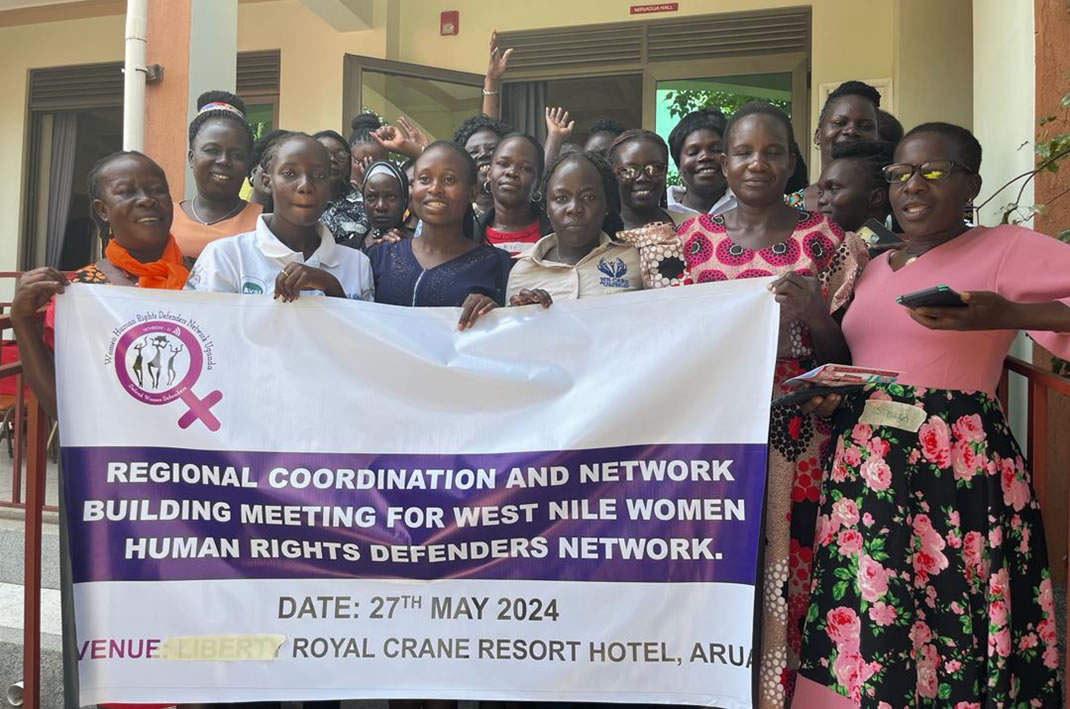
In a recent regional coordination and network-building meeting, 20 women human rights defenders (WHRDs) from West Nile gathered to enhance their ability to identify and mitigate threats in their vital work. The meeting, organized by the Women Human Rights Defenders Network Uganda (WHRDN-U), focused on equipping participants with essential knowledge to safeguard their rights and security both online and offline.


STRENGTHENING PROTECTION FOR WOMEN HUMAN RIGHTS DEFENDERS IN WEST NILE

The women discussed various challenges they face in their advocacy work, ranging from physical threats like office raids and unlawful arrests to online dangers, including cyberbullying, threats, and online surveillance. Through engaging discussions, they identified critical security measures, such as stronger office security, digital tools for privacy protection, and strategies to secure personal and professional information.

The Uganda Human Rights Commission pledged to strengthen its collaboration with WHRDs in the region, offering future training opportunities to support their work. The WHRDN-U also emphasized the importance of coordination among WHRDs, ensuring mutual support in the face of common challenges. Despite the setbacks, the women committed to enhancing their solidarity and creating stronger networks for collective protection.

Looking ahead, the WHRDN-U will continue to support the West Nile WHRDs with capacity-building, digital security training, and advocacy engagements with policy makers. By reinforcing self-care practices and emergency response services, the network aims to ensure that these women can continue their critical work with confidence and security.

As we reflect on these efforts, it is clear that the protection of women human rights defenders is paramount for the advancement of justice and equality. Their resilience and commitment to human rights remain an inspiration for all.

Empowering Women Human Rights Defenders through Feminist Documentation A Step towards Justice and Protection

Empowering Women Human Rights Defenders through Feminist Documentation: A Step towards Justice and Protection

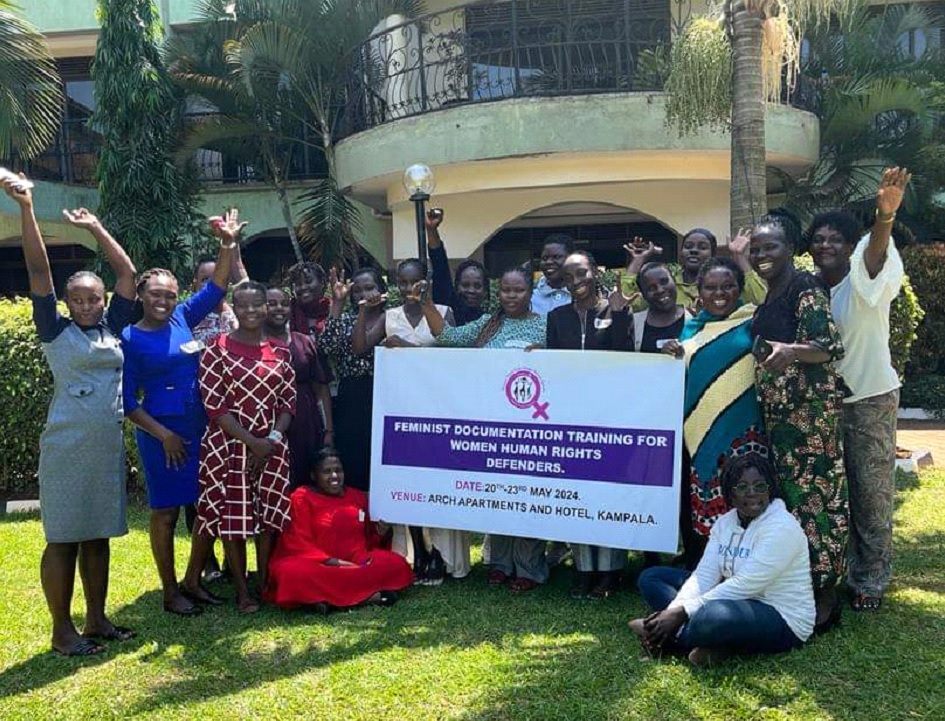
The Women Human Rights Defenders Network-Uganda (WHRDN-U) recently concluded a transformative four-day feminist documentation training for 16 Women Human Rights Defenders (WHRDs) in Kampala. The training, held from May 20th to 23rd, 2024, focused on equipping WHRDs with essential skills to document the violations they face from a gender-sensitive perspective, while also fostering their physical, mental, and digital security.

The training provided a safe and inclusive space for WHRDs to share lived experiences, engage in self-care practices, and build solidarity networks for mutual support and well-being. Participants acquired skills in holistic security, digital safety, and physical protection—tools critical for their activism in an increasingly hostile environment.

One of the standout moments was a session on documenting violations against WHRDs. Facilitated by experts in feminist documentation, the session highlighted the power of recording incidents of violence, gender-specific attacks, and patterns of abuse. The participants learned how to collect and preserve evidence, capture testimonies, and apply a “do no harm” approach, ensuring dignity and confidentiality for survivors. This session inspired many WHRDs, with some reflecting on their past inability to recognize and report the gender-based violence they had endured.

WHRDs shared personal stories that revealed the harsh realities they face in the field. From threats of eviction for supporting survivors of gender-based violence to being labeled as “marriage breakers” or “prostitutes” for their advocacy work, these women have shown remarkable courage. Despite the challenges, the training provided them with tools to document these violations and seek protection and accountability from relevant authorities like the Equal Opportunities Commission.

The inclusion of self-care and collective healing sessions was another key highlight. WHRDs engaged in sleep therapy, somatic exercises, and wellness reflections, which allowed them to reconnect with themselves and prioritize their well-being. Many confessed to never having set aside time for self-care before the training. One participant shared, “I have never felt so cared for and loved.”

The training also emphasized the critical role of WHRDs in building stronger networks and coordination strategies. Participants learned how to provide peer support, maintain safety while gathering evidence, and strengthen alliances with institutions like the Equal Opportunities Commission. Such partnerships will ensure that violations against WHRDs are formally reported and addressed.

The impact of this training is undeniable. The WHRDs left the sessions more empowered, inspired, and determined to support fellow defenders at the grassroots. WHRDN-U remains committed to continuous mentorship, practical training, and sustained support for WHRDs. As the stories shared during this training reveal, the path to justice and protection for WHRDs is fraught with challenges, but with the right tools, skills, and networks, they can continue their advocacy work with greater safety and resilience.
This initiative is a testament to the power of feminist documentation as a tool for justice, accountability, and the protection of women human rights defenders across Uganda.
STRENGTHENING PROTECTION FOR WOMEN HUMAN RIGHTS DEFENDERS IN ALBERTINE REGION A CALL FOR SOLIDARITY AND ACTION

STRENGTHENING PROTECTION FOR WOMEN HUMAN RIGHTS DEFENDERS IN ALBERTINE REGION: A CALL FOR SOLIDARITY AND ACTION

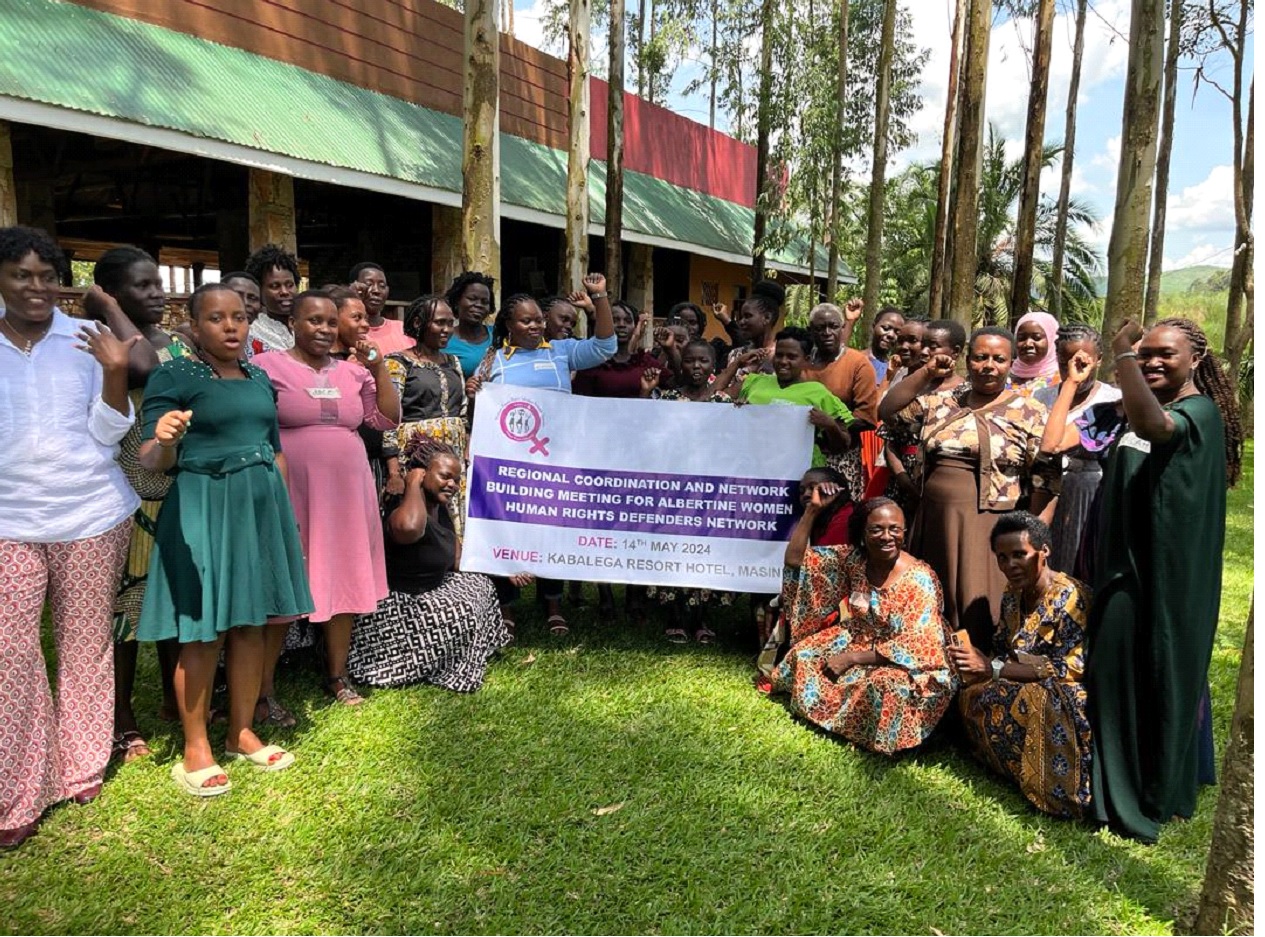
On May 14, 2024, a pivotal regional coordination meeting was held in Masindi district, where 28 Women Human Rights Defenders (WHRDs) from the Albertine region gathered to enhance their skills in identifying and mitigating the risks they face in their vital work. This event, organized by the Women Human Rights Defenders Network Uganda (WHRDN-U), provided these activists with the knowledge to protect themselves from both online and offline threats, empowering them to continue their work with greater security.

The meeting highlighted the numerous challenges these defenders face, ranging from physical threats such as raids and unlawful arrests, to online attacks like cyberbullying and doxing. Many participants shared personal experiences of intimidation and violence, underscoring the ongoing risk to their safety and well-being as they advocate for human rights. Despite the threats, the WHRDs continue to work relentlessly for justice, often at great personal cost.

This meeting not only equipped the WHRDs with practical tools for security, such as securing offices, computers, and mobile phones, but also emphasized the importance of solidarity. The defenders committed to strengthening their networks, sharing resources, and supporting each other in their fight for justice.

However, a significant challenge remains: many WHRDs do not prioritize their own protection, often focusing solely on the communities they serve. To address this, it is crucial to continue providing training on legal protections and digital security tools. As the WHRDs in Albertine region move forward, their call for ongoing capacity building and a more coordinated approach to activism remains clear.
Their resilience is commendable, and with continued support, these defenders can better safeguard their rights and continue their critical work in promoting human rights for all.
Article published by Brenda Kugonza, Executive Director of WHRDN-U.

STRENGTHENING ALLIANCES FOR WOMEN HUMAN RIGHTS DEFENDERS IN BUKEDI

STRENGTHENING ALLIANCES FOR WOMEN HUMAN RIGHTS DEFENDERS IN BUKEDI

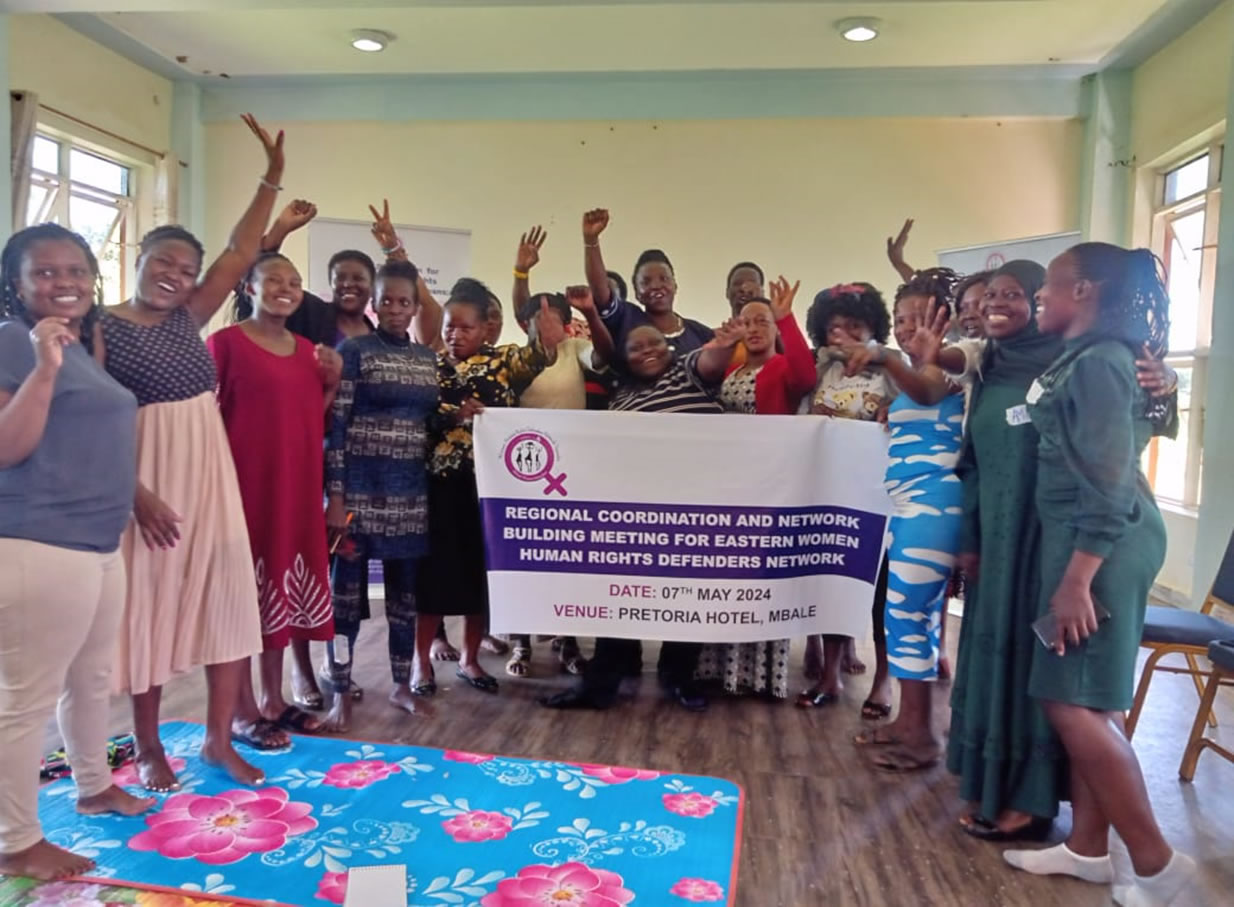
In a significant step towards strengthening the protection of Women Human Rights Defenders (WHRDs) in Uganda, a regional coordination meeting was held in January 2024 at Belmont Villa Hotel, Mbale. The gathering brought together 15 courageous women from across the Bukedi sub-region, all united by their commitment to advocating for human rights, despite the numerous threats they face due to their gender and activism.

The meeting provided a platform for these defenders to share their experiences, learn vital skills in documenting attacks, and strategize on enhancing their safety. The participants—facing risks such as online harassment, physical assault, and intimidation—discussed the challenges they endure and the urgent need for a unified response to safeguard their work.

The meeting’s success lies in its ability to raise awareness about the unique and intersectional struggles faced by marginalized WHRDs, especially those from Key population  communities or with disabilities. It also focused on the contributions of defenders who are tirelessly working against issues like gender-based violence, female genital mutilation, and land grabbing, yet often go unrecognized.

STRENGTHENING ALLIANCES FOR WOMEN HUMAN RIGHTS DEFENDERS IN BUKEDI

With solidarity and a strong commitment to collective action, the WHRDs present outlined strategies for building a robust regional network. They agreed on the importance of collaboration, confidentiality, and sustained communication to address human rights violations, offering a safe space for their voices to be heard.

This meeting was a pivotal moment for women defenders in the Bukedi region, who now have an empowered network of support. As these WHRDs continue their crucial work, they are committed to identifying new allies, expanding their efforts, and fostering an environment where their safety is prioritized, and their contributions are celebrated.

The way forward is clear: by identifying and supporting new WHRDs, and sharing best practices across the region, these defenders will continue to build a safer, more just society for all.

STRENGTHENING THE SAFETY AND SOLIDARITY OF LANGO WOMEN HUMAN RIGHTS DEFENDERS

STRENGTHENING THE SAFETY AND SOLIDARITY OF LANGO WOMEN HUMAN RIGHTS DEFENDERS

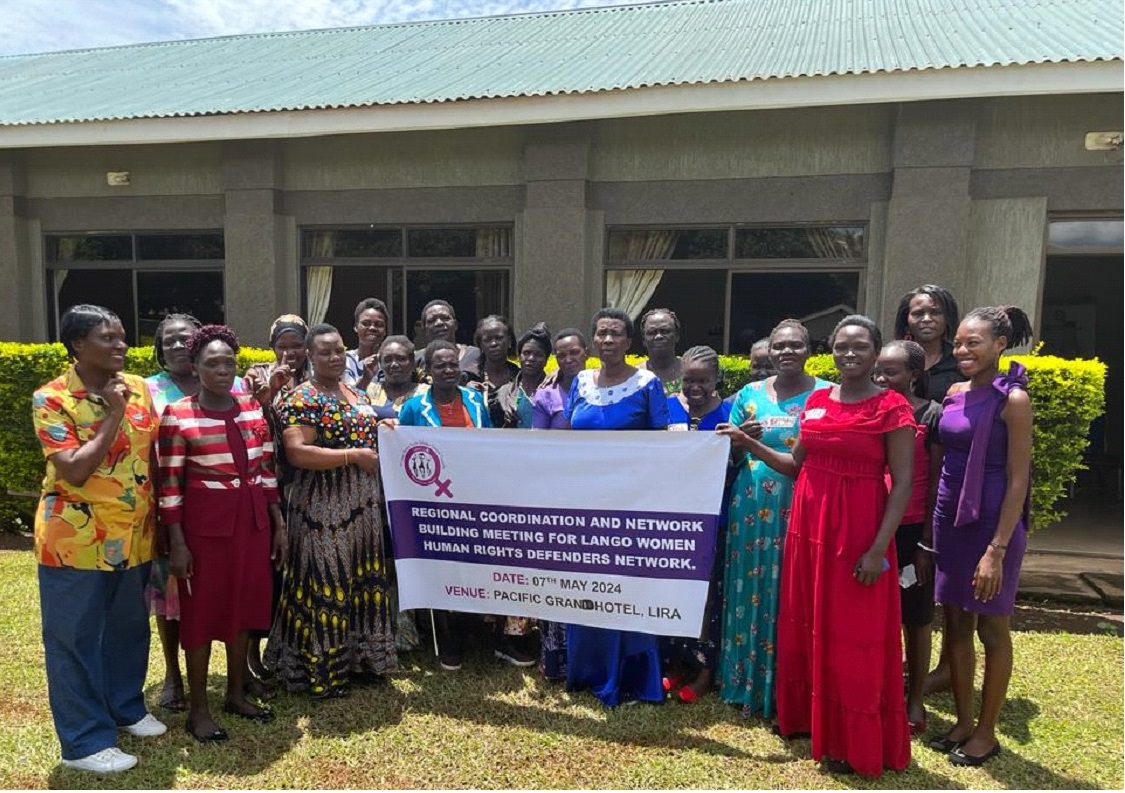
The recent regional coordination meeting for Women Human Rights Defenders (WHRDs) in Lango marked a significant step in empowering women defenders to navigate and overcome the challenges they face in their vital work. Organized by the Women Human Rights Defenders Network-Uganda (WHRDN-U) and held at Pacific Grand Hotel in Lira district, the one-day gathering provided a safe and collaborative space for 19 women defenders from the Lango region.

The meeting aimed to enhance the capacity of WHRDs to identify and mitigate the growing threats they encounter both online and offline. Through insightful training on digital and physical security, participants gained practical skills to protect themselves, their families, and their workspaces. The sessions also emphasized effective documentation of human rights violations and explored ways to foster greater solidarity within the Lango WHRDs network.

One of the key highlights of the meeting was the session on identifying online and offline threats. Women defenders revealed the alarming range of risks they face, including cyberbullying, smear campaigns, online shaming, and hacking of digital platforms. Offline threats were equally concerning, with reports of physical surveillance, threats of arrests, attacks on homes and offices, and public defamation. These experiences underscore the urgent need for more robust protection mechanisms for WHRDs.
To respond to these threats, participants were equipped with vital knowledge on physical and digital security. Training sessions focused on home, office, and mobile phone security, as well as safeguarding computer systems. WHRDs were taught how to secure access to their devices, protect sensitive information, and use security tools to shield themselves from both physical and cyber threats. The emphasis on practical, hands-on skills allowed participants to develop personalized security plans that can be implemented in their daily lives.

Another key session on human rights documentation equipped WHRDs with the skills to record and report incidents of violence accurately. Participants practiced filling out incident forms using real-life scenarios, which enhanced their capacity to seek justice and demand accountability for violations against WHRDs.
Beyond the skills-building sessions, the meeting also strengthened solidarity among WHRDs in Lango. The network emphasized the importance of coordination and collective advocacy. Participants committed to enhancing their support for one another through relationship-building, joint advocacy, and shared resources. Such collaboration will be critical in sustaining the momentum generated by the training.
The meeting’s successes were evident in the active participation and commitment of all 21 attendees. The knowledge and skills acquired are expected to have a lasting impact, enabling WHRDs to navigate risks and continue their essential human rights work more safely and effectively.
However, challenges persist. Deep-rooted societal attitudes, limited resources, and systemic barriers continue to hinder the work of WHRDs in Lango. Overcoming these barriers will require sustained awareness-raising, strengthened partnerships with law enforcement, and continued mentorship and training for WHRDs.
WHRDN-U remains committed to supporting the defenders in Lango. Moving forward, the organization will facilitate follow-up initiatives to ensure the commitments made during the meeting are realized. Through continued capacity-building and solidarity, WHRDs will be better positioned to overcome threats and champion human rights for all.