DEFENDING RIGHTS IN A SHRINKING CIVIC SPACE: WOMEN HUMAN RIGHTS DEFENDERS’ VOICES FROM UGANDA’S 2026 UPR CONSULTATION

By the Women Human Rights Defenders Network Uganda (WHRDN-U) | Brenda Kugonza

As Uganda prepares for its Fourth Cycle Universal Periodic Review (UPR) before the United Nations Human Rights Council scheduled for January to February 2027, the Women Human Rights Defenders Network Uganda (WHRDN-U) undertook a nationwide consultative process to ensure that the lived experiences, priorities, and protection concerns of women human rights defenders are fully reflected in the country’s national reporting and advocacy agenda. The consultation comes at a critical moment, as stakeholder submissions for the 2027 UPR cycle are due in July 2026, making it urgent to ensure that grassroots voices meaningfully shape Uganda’s human rights accountability commitments.

Uganda’s previous UPR review in 2021 resulted in the acceptance of 138 recommendations and the noting of 132 recommendations. While this reflects continued engagement with the international human rights system, women human rights defenders emphasized that gaps remain in implementation and in the protection of those working at the frontline of human rights defense. It is against this background that WHRDN-U initiated a structured consultation process between March and June 2026, reaching more than 60 women human rights defenders across different regions of the country.

The purpose of the consultation was to document and elevate the voices of women human rights defenders in order to inform Uganda’s UPR reporting process and strengthen advocacy for improved protection mechanisms. The process specifically sought to generate evidence-based insights on the protection environment for women defenders, including progress made since the last UPR cycle, emerging risks, and practical recommendations for strengthening legal, institutional, and community-based protection systems.

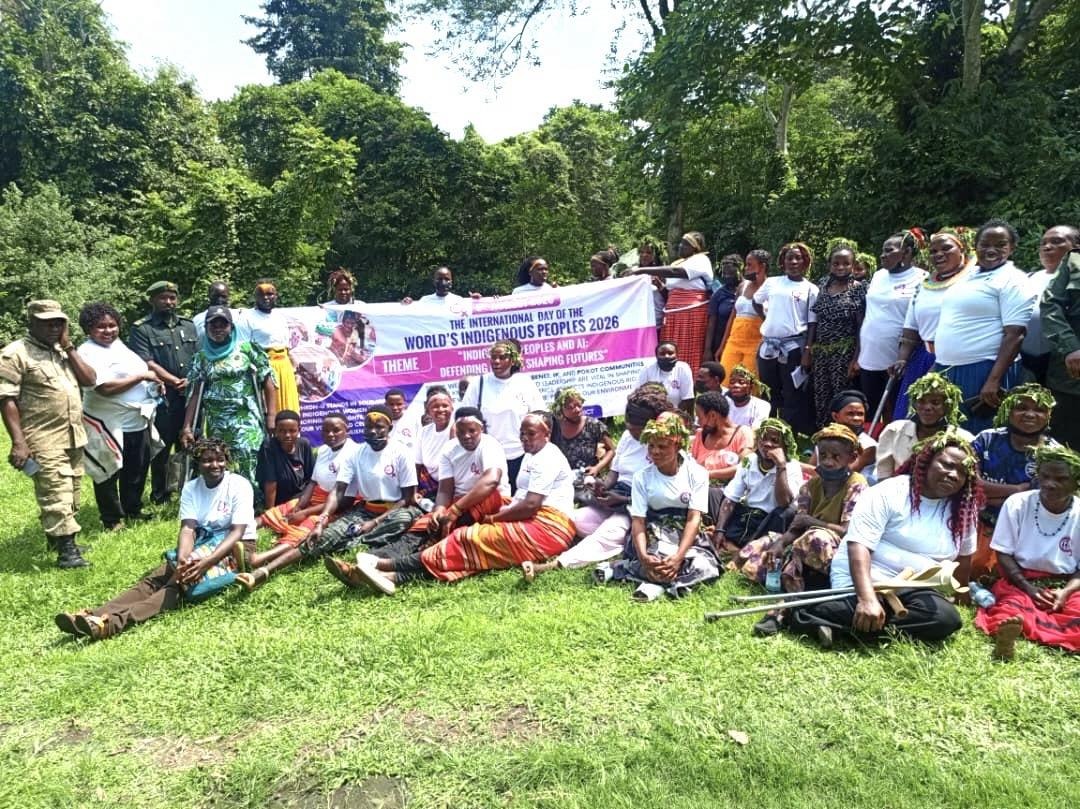
The consultation brought together a diverse group of women human rights defenders, including those working on environmental and land rights, gender-based violence response, anti-FGM advocacy, Indigenous women defenders from the Batwa and Benet communities, women defenders with disabilities, structurally silenced women defenders, and those operating in rural and remote areas. This diversity ensured that the consultation captured intersecting realities of risk, exclusion, and resilience across different identities and movements.

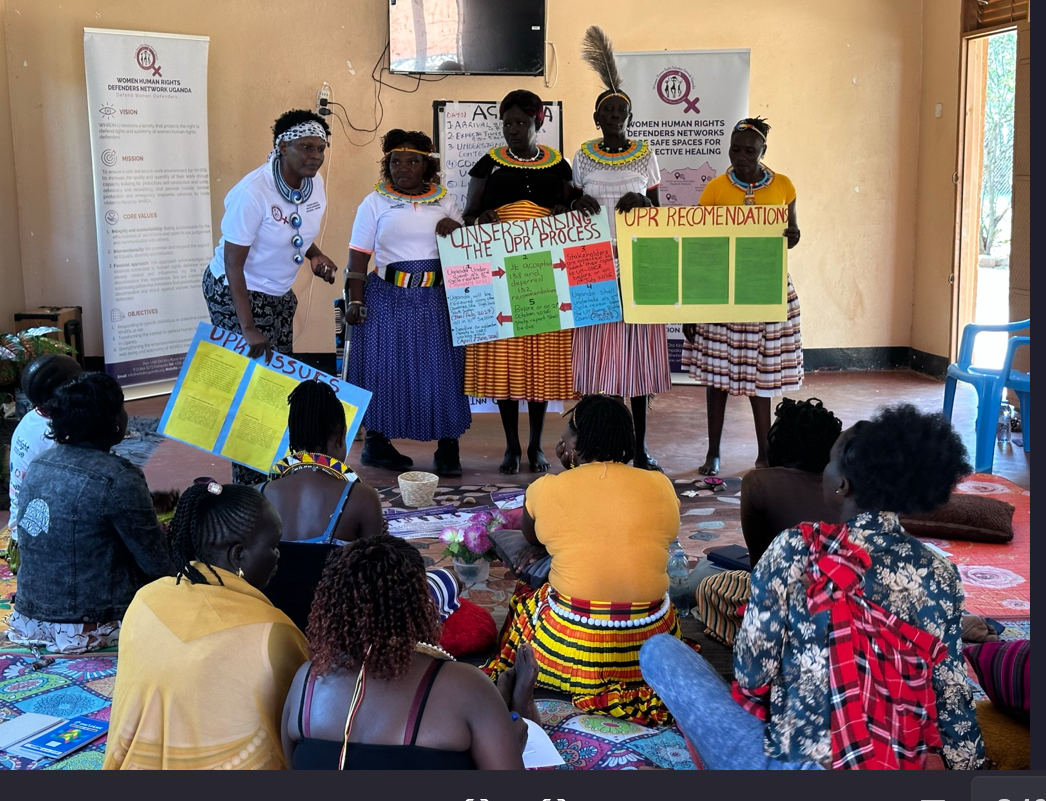
The consultations were conducted through participatory dialogue sessions designed to create safe and inclusive spaces for reflection and experience sharing. Women defenders collectively reviewed Uganda’s progress under the previous UPR cycle and discussed current protection challenges, barriers to civic space, and priority areas for reform. The process also enabled deeper analysis of how legal, political, social, economic, and digital environments are shaping the safety and work of women human rights defenders.

The findings revealed a persistent gap between Uganda’s legal and policy commitments and the lived realities of women human rights defenders. While Uganda has enacted important legal frameworks such as the Constitution of 1995, the Domestic Violence Act of 2010, the Prohibition of Female Genital Mutilation Act of 2010, and the Prevention and Prohibition of Torture Act of 2012, participants consistently reported that implementation remains weak and uneven, particularly in rural and high-risk contexts.

Women defenders working on female genital mutilation reported continued resistance rooted in cultural norms, which exposes both activists and survivors to threats, retaliation, and social exclusion. Despite the existence of the FGM law, enforcement challenges remain a serious concern, especially in border communities where cross-border practices persist.

Defenders working on gender-based violence highlighted ongoing risks including intimidation by perpetrators, interference in justice processes, stigma against survivors, and increasing forms of technology-facilitated violence. Online harassment, surveillance, and coordinated digital attacks were identified as growing threats that disproportionately target women activists and restrict their participation in public life.

Environmental and land rights defenders described experiences of criminalization, arbitrary arrest, detention, surveillance, and judicial harassment. Their work is often wrongly framed as anti-development, exposing them to public hostility and institutional pressure. Many also reported gender-specific risks such as sexual harassment, intimidation, and community stigmatization linked to their activism.

Indigenous women human rights defenders from the Batwa and Benet communities highlighted structural exclusion rooted in historical land dispossession, poverty, and geographic isolation. These intersecting inequalities continue to limit their access to protection services, justice systems, and meaningful participation in decision-making processes.

Women human rights defenders with disabilities reported systemic barriers including inaccessible institutions, exclusion from consultations, and lack of reasonable accommodation. They emphasized that disability rights issues remain underrepresented in national human rights discussions, further deepening their marginalization.

A particularly concerning finding was the situation of structurally silenced defenders, who face multiple and overlapping forms of violence including arbitrary arrest, surveillance, blackmail, eviction, and denial of essential services. Many reported self-censorships due to fear of reprisals, while organizations supporting marginalized communities face increasing operational and financial restrictions.

Defenders working in suspended civil society organizations reported severe socio-economic and psychological impacts, including loss of livelihoods, disruption of essential services, and increased vulnerability for communities that rely on their support systems. Electoral period-related risks were also highlighted, with defenders involved in civic education and election monitoring reporting harassment, arrests, intimidation, misinformation, and gendered attacks designed to discredit their work.

Despite these challenges, the consultation created a strong platform for solidarity and collective reflection among women human rights defenders. It strengthened shared understanding of cross-cutting risks, particularly those related to gender-based violence, digital safety, and shrinking civic space, while also generating a consolidated evidence base to inform Uganda’s UPR stakeholder submission.

The consultation further produced key recommendations aimed at strengthening protection for women human rights defenders. Participants called on the Government of Uganda to end arbitrary arrests, detention, intimidation, and judicial harassment linked to legitimate human rights work. They also urged the establishment of a dedicated, gender-responsive national protection mechanism for human rights defenders that addresses both physical and digital threats.

Strong emphasis was placed on the need to fully enforce existing laws, including those addressing domestic violence, FGM, and torture, while also strengthening national responses to technology-facilitated gender-based violence. Participants further called for the protection of freedoms of expression, association, and peaceful assembly, particularly during electoral periods, and for the removal of undue restrictions on civil society organizations.

The consultation also highlighted the need for targeted protection measures for Indigenous women defenders, women with disabilities, and other structurally marginalized groups to ensure their meaningful participation in national governance processes. Participants further called for improved access to justice, healthcare, housing, and essential services in safe and non-discriminatory environments.

In addition, women human rights defenders recommended the enactment of a gender-sensitive Human Rights Defenders Protection Law that explicitly recognizes women defenders and responds to their specific risks. They also urged Uganda to ratify the Optional Protocol to CEDAW to strengthen accountability mechanisms for women’s rights violations and to ensure meaningful inclusion of women human rights defenders in ongoing policy reforms, including the revision of the National Gender Policy.

In conclusion, the consultation confirms that women human rights defenders in Uganda continue to play a vital role in advancing justice, accountability, and community empowerment despite operating in increasingly restrictive environments. While Uganda has made important legal and policy commitments, significant gaps in enforcement and protection remain. The experiences and recommendations shared through this process provide critical evidence for strengthening Uganda’s 4th Cycle UPR engagement and advancing a safer, more enabling environment for women human rights defenders across the country.

WOMEN ENVIRONMENTAL DEFENDERS UNITE FOR WORLD ENVIRONMENT DAY 2026

June 5, 2026 Bethany Land Institute, Luweero

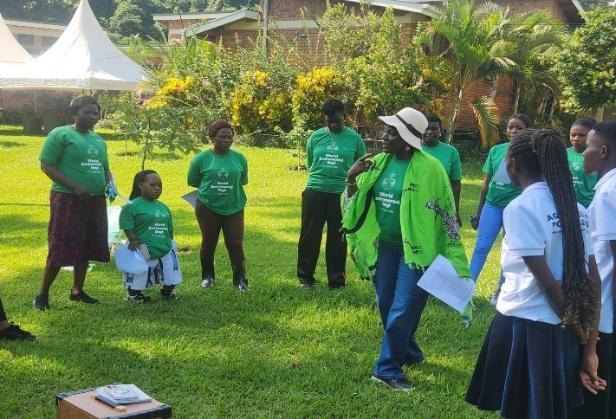
On World Environment Day 2026, the Women Human Rights Defenders Network Uganda (WHRDN-U) brought together 11 Women Environmental Human Rights Defenders (WEHRDs) and five “Agroforestry Power Ladies” for a powerful learning and exchange visit at Bethany Land Institute (BLI) in Luweero District. Held under the global theme “Inspired by Nature, for Climate, for Our Future,” the commemoration highlighted the vital role of women in advancing environmental justice, climate resilience, and sustainable livelihoods.

The event was more than a commemoration it was a reminder of the central role women play in protecting ecosystems and advocating for climate action. Through interactive discussions, practical demonstrations, and a guided study tour of BLI’s learning centers, participants explored innovative approaches to:

  • Regenerative agroforestry and ecosystem restoration
  • Waste management and recycling
  • Organic farming and soil health
  • Biodiversity conservation and forest protection
  • Indigenous knowledge and herbal medicine

Brenda Kugonza, Team Leader of WHRDN-U, emphasized the importance of solidarity and experience sharing among defenders, while BLI Principal Mr. Kule Sylvester urged participants to honor nature by adopting environmentally friendly practices such as organic farming, tree planting, and ecosystem restoration.

Participants toured BLI’s three learning centers—Lazarus Forest, Mary’s School, and Martha’s Market—gaining practical insights into sustainable farming and conservation. Highlights included:

  • Mary’s Demonstration Farm: Creative recycling using plastic bottles for soil conservation and garden structures.
  • Soil Management Section: Composting, organic fertilizers, and natural pest repellents like wild sunflower and garlic.
  • Black Soldier Fly Unit: Circular farming innovations where larvae serve as protein-rich poultry feed.
  • Artificial Wetland System: Nature-based water purification for reuse.
  • Regenerative Agroforestry Models: Integrating crops, trees, and livestock for resilient food systems.
  • Self-Care & Herbal Medicine: Exploring indigenous remedies such as Aloe Vera and Indian Pennywort.
  • Lazarus Forest Walk: A 300-acre conservation area showcasing biodiversity and the importance of forest ecosystems.

Women defenders shared inspiring testimonies of their work across Uganda:

  • Annet (Buikwe): Mobilized communities against industrial water pollution.
  • Shamim (Kasese): Advocated for climate education in schools for children with disabilities.
  • Sharon (Girls for Climate Action): Supported women in eco-friendly enterprises like reusable sanitary pads.
  • Constance (Tororo): Introduced tree planting traditions, including planting a tree for every child born.
  • Elizabeth (Kikuube): Fought for women’s inclusion in sugarcane farming despite threats and backlash.

The commemoration strengthened participants’ knowledge and commitment to:

  • Replicating regenerative agroforestry and organic farming practices.
  • Promoting waste recycling and sustainable livelihoods.
  • Preserving indigenous knowledge and herbal medicine.
  • Expanding tree planting and forest conservation initiatives.
  • Building solidarity and peer learning networks among defenders.

Participants called for:

  • Continued protection and wellness support for women defenders.
  • More exchange visits and peer learning opportunities.
  • Training on safe advocacy and security practices.
  • Creation of safe spaces for reflection, healing, and self-care.
  • Stronger referral systems for defenders facing threats and violence.

 This commemoration at Bethany Land Institute was a testament to the resilience, creativity, and leadership of women environmental defenders. By embracing nature-based solutions and strengthening solidarity, they continue to safeguard Uganda’s environment for present and future generations.

STRENGTHENING WOMEN HUMAN RIGHTS DEFENDERS IN KARAMOJA: REGIONAL MEETING IN AMUDAT DISTRICT

May 21–22, 2026 – Amudat District, Karamoja Region

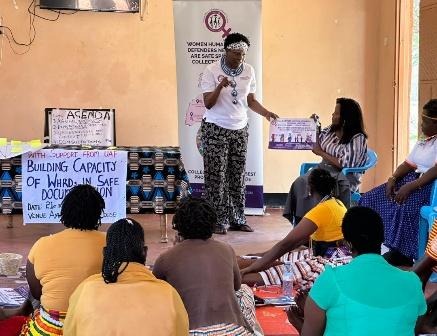
Women Human Rights Defenders (WHRDs) across Uganda continue to face serious threats including physical attacks, arbitrary arrests, domestic violence, and online harassment. To strengthen their resilience and practical skills in safe documentation and reporting, the Women Human Rights Defenders Network Uganda (WHRDN-U) convened a two-day regional meeting in Amudat District, bringing together 16 WHRDs from Kaabong, Moroto, Tapak Sogdek-Moroto, IK Land, Amudat, Nakapiripirit, Karita, and Napak districts.

Brenda Kugonza, Team Leader of WHRDN-U, reminded participants that WHRDs are frontline women fighting for human rights despite attacks from both state and non-state actors. She emphasized the importance of solidarity and partnerships with local government, welcoming Suzan Chuwai, Senior Assistant Secretary and survivor of FGM, who highlighted the need for women defenders to support each other in the face of gender-based abuse and cyberbullying.

Through group discussions, participants reflected on the types of violations they face:

  • Attacks on life: Threats, domestic violence, and community isolation.
  • Domestic violence and cultural discrimination: Physical assaults, sexual harassment, land grabbing, and harmful cultural norms.
  • Arbitrary detention and sidelining: Cases ignored or mishandled by authorities.
  • Verbal and online abuse: Hate speech, doxing, fake rumors, and intimidation.

The session underscored the importance of documenting violations, both online and offline, to ensure accountability and protection.

Participants engaged in practical case scenarios to distinguish between eligible, non-eligible, and fabricated cases. They learned the value of evidence, verification, and ethical assessment, as well as the need to document digital violations with screenshots, links, and police references.

On the second day, WHRDs visited Lukales Gold Mining Site in Karita, where Christine, chairperson of the Kyangaliya Women Group, shared her advocacy journey against harmful mining practices. Despite threats and attempts to silence her, Christine’s documentation and digital advocacy led to government intervention and eventual closure of the company. Her resilience inspired fellow defenders and highlighted the power of safe advocacy and digital tools in amplifying community voices.

  • WHRDs must continue documenting violations and strengthening digital security.
  • Partnerships with local government and commissions such as the Equal Opportunities Commission are vital.
  • Training in safe advocacy and digital tools remains a priority to empower women defenders.

The meeting successfully built solidarity among WHRDs, enhanced their knowledge on violations, and strengthened their documentation skills. However, cultural norms and fear of isolation remain significant barriers, with many violations still going undocumented.

STRENGTHENING SAFETY AND SOLIDARITY: WOMEN LEADERS GATHER IN KAMPALA

April 29–30, 2026 | Protea Skyz Hotel Kampala

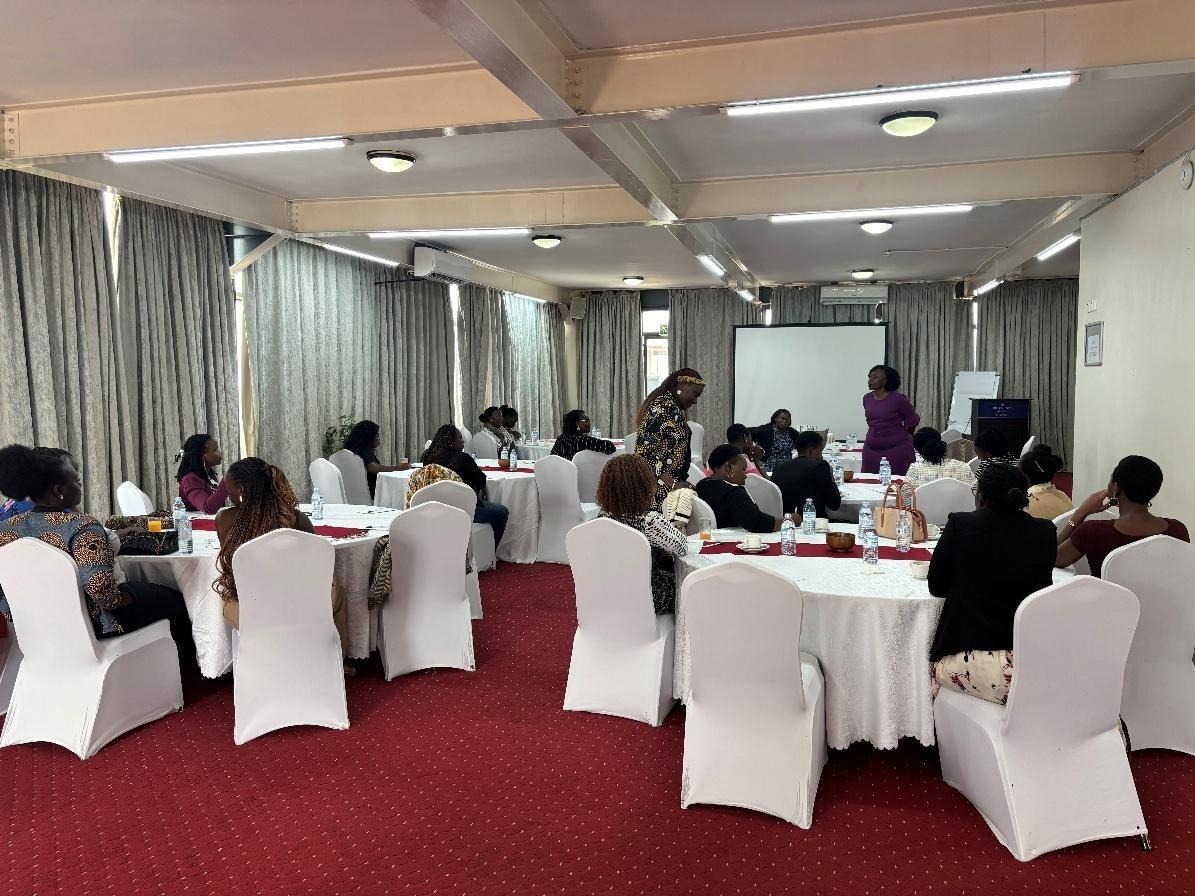
Twenty women leaders from structurally silenced organizations came together at Protea Skyz Hotel in Kampala for a two-day residential gathering organized by the Women Human Rights Defenders Network-Uganda (WHRDN-U). The convening created a vital space for safety, solidarity, and resilience-building among women human rights defenders (WHRDs) who often face isolation, legal threats, and community backlash.

The gathering was designed to:

  • Enhance practical understanding of how current laws are applied in Uganda.
  • Support women leaders to adopt safer daily work practices.
  • Reduce isolation through peer connection and solidarity.
  • Strengthen inclusive protections within the WHRDN-U network.

As one participant expressed, “This gathering is a space of connection, a place to reflect on safety and protection mechanisms, and to recognize the power within.”

  • Understanding the Law: Facilitators highlighted the challenges of Uganda’s legal environment, where compliance requirements often target civil society organizations. Litigation was discussed as a tool for change, though participants noted that court decisions frequently remain unimplemented.
  • Safety Strategies: WHRDs shared practical approaches to staying safe, including choosing advocacy spaces strategically, collaborating across regions, and leveraging collective action. “It’s better to be a living WHRD than a dead one,” one reminder emphasized.
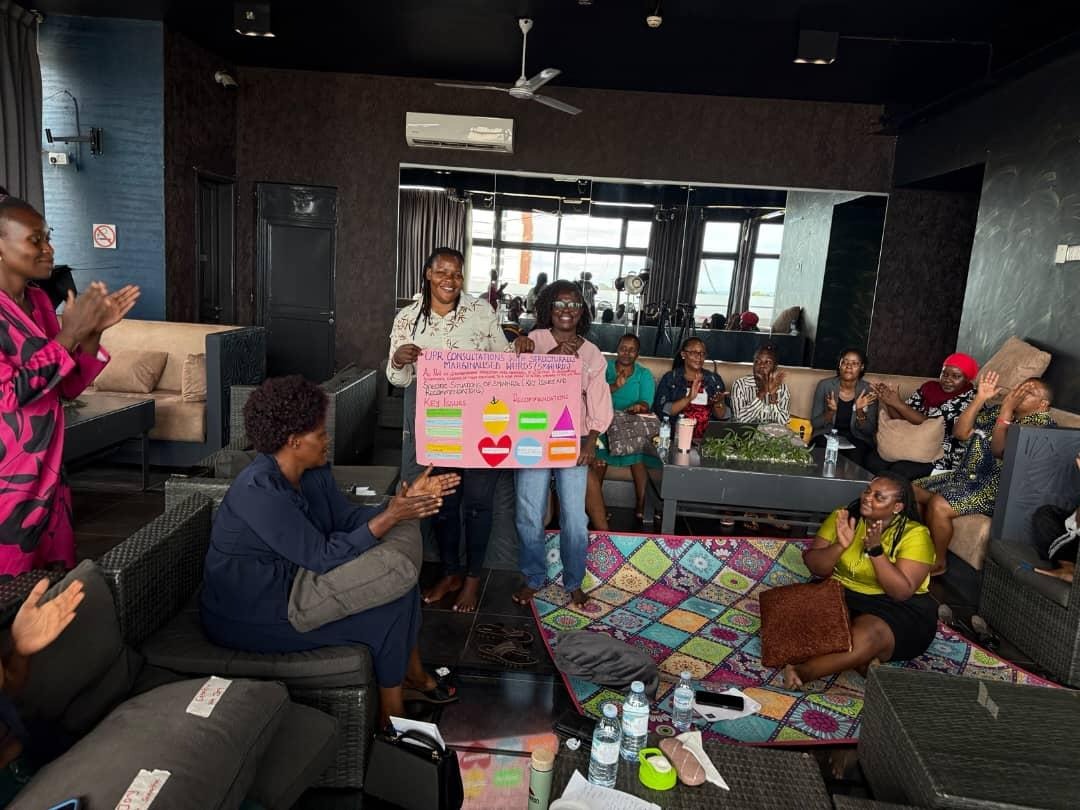
  • UPR Consultations: Participants identified pressing issues such as restrictions on freedom of association, digital surveillance, economic insecurity, and cultural stigma. Recommendations included strengthening legal frameworks, ensuring inclusive participation, and restoring access to financial resources for NGOs.
  • Experience-Based Panel: Leaders shared survival strategies such as rebranding organizations, building cross-movement partnerships, promoting social enterprise, and minimizing office-based risks.

Beyond technical sessions, the gathering emphasized self-care, gratitude, and solidarity. Dancing and reflection exercises symbolized resilience and the determination to “shake off whatever structure or form limits women’s progress.”

The gathering concluded with practical opportunities for continued support, including access to legal expertise, counselling, and digital resources. Most importantly, it reaffirmed the collective strength of WHRDs in Uganda.

This event was more than a meeting, it was a declaration of resilience, a reminder that even in silenced spaces, women leaders continue to stand strong, protect one another, and push forward for justice.

STRENGTHENING RESILIENCE: WHRDN-U HOSTS COUNSELLING AND SOCIAL ENTERPRISE TRAINING FOR INVISIBLE WOMEN HUMAN RIGHTS DEFENDERS

April 23–24, 2026 – Esella Hotel

The Women Human Rights Defenders Network–Uganda (WHRDN-U) convened a powerful two-day counselling and social enterprise training for invisible Women Human Rights Defenders (WHRDs) from suspended organizations. The initiative aimed to restore hope, provide psychosocial support, and equip participants with practical tools for financial resilience and sustainable livelihoods.

The opening session, led by WHRDN-U Team Lead Brenda Kugonza, encouraged participants to embrace the safe space for healing and solidarity. Madam Ruth Matoya from Healing Talk Counselling Services facilitated group psychosocial support, guiding WHRDs through reflective conversations on loss, trauma, and resilience.

Participants shared deeply personal experiences of anxiety, grief, and identity loss following organizational suspensions. Through exercises connecting emotional pain to physical sensations, they realized how trauma manifests in the body. The session emphasized intentional living, holistic self-care, and reclaiming one’s voice.

One participant reflected, “I have learnt that grief is ok as long as it’s normal and manageable.” Another added, “This session helped me realize I have been living in survival mode. Now I need to slow down and prioritize my wellbeing.”

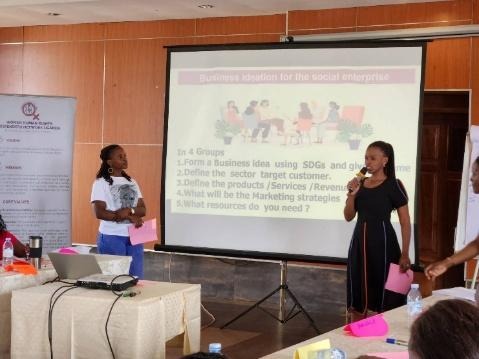
The second day, facilitated by Dr. Joyce Tamale of Capital Solutions Limited, focused on entrepreneurship as a pathway to resilience. Under the theme “Appreciating Entrepreneurship for Financial Resilience,” WHRDs explored mindset change, intrapreneurship, and the “5 D’s” of financial resilience—Discipline, Death, Divorce, Debt, and Disease.

Dr. Tamale emphasized the importance of starting small, adopting a growth mindset, and aligning business ventures with social impact. Participants brainstormed enterprises addressing issues such as gender-based violence, unemployment, menstrual poverty, and child neglect.

One inspiring example was the proposal to establish day care centers offering counselling support for neglected children. Others shared lived experiences of running small businesses, highlighting both successes and challenges.

Over the next six months, WHRDs committed to:

  • Testing small-scale business ideas with minimal resources.
  • Strengthening personal and business branding.
  • Leveraging networks and community assets for growth.
  • Practicing structured time management to balance employment and entrepreneurship.

The training reinforced the need to shift from donor dependency to market-oriented thinking, embrace resilience, and build sustainable ventures that respond to real community needs.

This two-day initiative provided WHRDs not only with therapeutic healing but also with entrepreneurial skills to reimagine their futures. By combining psychosocial support with social enterprise training, WHRDN-U continues to strengthen the resilience of women defenders navigating uncertainty, ensuring they remain empowered voices for justice and equality.

Women Human Rights Defenders in Busoga: Courageously Championing Change in difficult working conditions

Women Human Rights Defenders in Busoga: Courageously Championing Change in difficult working conditions

Introduction

In July 2023, the Women Human Rights Defenders Network Uganda embarked on a fact-finding mission and solidarity visits to grassroots women human rights defenders in the Busoga region. The mission aimed to identify challenges faced by WHRDs, verify allegations of attacks, and recommend measures to create a safer working environment. During this remarkable journey, the defenders demonstrated their unwavering commitment to various human rights causes, including environmental rights, gender-based violence, child labor, land rights, LGBTQ+ rights, and sex workers’ rights.

Empowering Voices on NBS Radio

The WHRDs from the Busoga region seized the opportunity to broadcast their message on NBS Radio in Jinja. They eloquently spoke about their essential roles in protecting and empowering the community. From supporting victims of domestic violence and fighting against early marriages to defending the environment and advocating for children’s rights in rice and sugarcane plantations, their dedication to making a positive impact was evident.

Women Human Rights Defenders from Busoga region during the radio talk show

Supporting Persons with Albinism:

One of the heartening encounters was with Fazirah Kawoma, Head of Programs at the Source of Nile Union of Persons with Albinism (SNUPA). Fazirah shed light on the discrimination faced by people with albinism, emphasizing the importance of promoting healthcare and education. SNUPA’s efforts in supporting cancer prevention through surgeries and educational opportunities were laudable, proving that solidarity can be a powerful tool against discrimination.

Engaging with Local Organizations

The fact-finding mission included interactions with local organizations and strengthening networks and resources. At the First African Bicycle Information Organization (FABIO), the WHRDNU team appointed Rita Nakalema as their focal person, ensuring a seamless support flow to defenders in need. Brenda Kugonza encouraged the referral of attacked WHRDs, exemplifying the spirit of collective empowerment.

Addressing Gender-Based Violence at Rape Hurts Foundation

The team visited the Rape Hurts Foundation, a pivotal organization supporting women and children in the Busoga region. The foundation’s efforts in providing emergency support for victims of violence and raising awareness about GBV, trafficking, and the rights of survivors were commendable. However, they also highlighted the challenges they face when handling GBV cases, with some police stations demanding bribes before taking action. Such obstacles underline the need for continued advocacy and reform.

Concern for Children and Women Empowerment (COFCAWE)

Namugolo Sarah, a WHRD from COFCAWE, showcased the organization’s dedication to empowering young children and teenage mothers through skill training and start-up kits. However, the prevalence of child abuse and defilement in the villages remains a pressing issue. WHRDs like Sarah face challenges in following up on cases due to reluctance from community leaders and parents to disclose criminals. Such hurdles call for collaborative efforts to strengthen legal mechanisms and support systems.

The Invaluable Efforts of Integrated Disabled Women Activists (IDWA)

The team’s interaction with Elizabeth Kayanga, Executive Director of IDWA, revealed the organization’s commendable endeavors in promoting gender equality and advocating for the rights of women and girls living with disabilities. Their achievements, such as providing adjustable labor beds and wheelchairs in hospitals, demonstrated the transformative power of grassroots activism. However, they also highlighted harassment and body shaming faced by paralegals with disabilities during their community outreach.

Empowering Female Sex Workers

The courageous female sex workers who are also human rights defenders shared the critical work they do in advocating for their rights and ensuring their safety in the face of insecurity. They recounted recent incidents of arrests and false accusations, which they tenaciously resolved through advocacy and intervention. Their resilience exemplifies the importance of ensuring human rights for all, regardless of their profession.

WHRDs build working relationships with police officers in the community for their protection.

Conclusion:

The fact-finding mission and solidarity visits to the Busoga region showcased the immense contributions of women human rights defenders in championing change and safeguarding the rights of marginalized communities. Despite facing physical insecurity and numerous challenges, these defenders inspire hope and progress. By amplifying their voices, strengthening networks, and addressing systemic barriers, we can create a safer and more inclusive environment for these valiant defenders to continue their invaluable human rights work.

Empowering voices: Report on a fact-finding mission in Bukedi

Empowering Voices: Report on a fact-finding mission in Bukedi

The Women Human Rights Defenders Network Uganda(WHRDN-U), conducted a fact-finding mission and solidarity visits to grassroots women human rights defenders from the Busoga subregion on the 24th, 25th, to 26th of July 2023 in Mbale, Kween, Tororo/Malaba, and Katakwi districts working on different kinds of human rights work in their communities like environmental rights, Gender-Based Violence, child labor rice plantations, land rights, LGBQ and sex workers rights.

Objectives of the visit were to;

1) To identify facts on contributions of WHRDs and verify allegations of attacks

2) To Identify the challenges faced WHRDs during their human rights work and express solidarity

3) To Identify WHRDs at risk who could have been attacked or threatened because of their human rights work.

4) To Identify possible recommendations that could create a safer working environment for WHRDs to continue doing human rights work in the region.

Methodology:

The methodology of the Finding mission was carried out through a combination of interviews. The team also visited offices and the areas where women human rights defenders conduct their activities to witness first-hand the challenges they face in their struggle for human rights.

Voices of WHRD from Mbale

  • On 24th July 2023, the WHRDN-UGANDA team visited Mungoma Priscilla, a WHRD promoting the rights of the girl child and transpersons, health rights in her organization, Friends of the Marginalized in Mbale district.
  • Priscila shared her experience of attacks and threats she is facing. She narrated that due to the passing of the anti-homosexuality act, she has been facing criticism, intimidation, and threats of killing her from the community and was arrested by a police officer that said, ‘’This is the girl that works with them’’ because she was working with her partner who belonged to the gay community in the organization.
  • Priscilla emphasized that she promotes the healthy rights for women and girls by sensitizing them about the benefits of using birth control methods; because of her work, she was attacked by the community, who accused her that ‘’ She is refusing our girls and wives from giving birth.’’


Mungoma Priscila a WHRD from Mbale and team from WHRDN-U

Voices of Bennet WHRDs

  • On the 24th of July 2023, the team from the women human rights defender network Uganda met Sange Jackline and Kusoru Viola WHRDs from the Kween district, and they shared the threats, attacks, and challenges they are facing as WHRDs for the Bukedi sub-region; Currently, some Benet indigenous peoples are living in the temporary settlement that the government gave them after evictions from Mount Elgon natural pack in 2008. Some Benet people and some temporary settlements were granted permanent residential settlements through the Uganda Wild Life Authority. With no clear boundaries for the temporary residential settlements. This is causing problems for the Bennet people living in the temporary settlements, as they are being abused for encroaching on the gazetted land. For instance, the Bennet are arrested, their family are victims of gunshots, and some families have lost them.
  • We, the Bennet indigenous groups, believe that Mount Elgon National pack is our ancestral pack and have the right to access the Elgon Forest land to get firewood medicinal herbs and graze our animals.As WHRDs from our organization, called the Bennet Lobby, we continue to advocate for our rights through dialogues between us, the Bennet natives, and the Resident District Commissioner (RDCs), UWA – so that government elevates the status of temporary residential settlements to permanent residential settlement for some of the Bennet people.
  • They are tortured, raped, sexually harassed, beaten, and the Uganda World Life Authority destroys their animals and crops.
  • As WHRDs, we are seen as inciting violence in the community, our work is criminalized, and we are surveilled by unknown people who attend our community sensitization meetings.
  • On 1st May 2023 in Kwopi sub-county, the UWA officials arrested my neighbors, and their animals (cows, goats, and sheep) were taken. These Victims of this incident called me, Jackie Sange (as their defender), to conduct a mediation meeting between UWA and the victims; the UWA staff said they do not want me in the discussion, saying I was the problem. On 3rd/May/2023. When the UWA was carrying out an exercise for evacuating the Bennet people from the gazetted land, they destroyed houses, took away our animals, and threatened me, Jackie, and other defenders that ‘’if anyone tampers with the evacuation exercise, they would be arrested’.

Sange Jackline and Kusuru Viola WHRDs from Kween district and the team from WHRDN-U.

Stories of WHRDs from Tororo

  • On 25th July 2023, the WHRDNU team also visited three words from Tororo district on the Ayoo Juliet, and Amongin Juliet from Milikiti sub-county,
  • Athieno Annet, Aiweny Mary, Topista, Anyako, Apadet Sylvia Lear Atiyar Environmental WHRDS in Tororo District.
  • Juliet Ayoo, a Woman HRD promoting land rights, introduced Women HRDS Athieno Annet, Aiweny Mary, Topista Anyako, Apadet Sylvia, and Lear Atiyar prompting environment rights from Osukuru United Women Network to the district environment officer in Tororo district to share the challenges they find while promoting and sensitizing to the community about the importance of planting trees and the dangers of cutting trees to burn charcoal and also to seek support whenever they attacked. The words shared that they are always in mind when they come out to stop people from cutting trees by saying that ‘’ we cannot stop cutting trees because this where we survive by cutting trees and burning charcoal. ’The environmental officer encouraged words to continue to protect and sensitize their communities about planting more trees to conserve the environment and pledged to support them by giving them more seedlings to plant in August 2023.

Tororo Women Environmental Defenders

Tororo Women Environmental Defenders in advocacy meeting with the environment and natural resource department at the district headquarters in Tororo district.

Voices of WHRDs Fighting Child Labour in Tororo

  • The WHRDN- visited WHRD defending human rights for young children from child labour in rice plantations in Milikiti sub county Tororo district Amongin Juliet. She stated that while planting rice and harvesting rice, instead of taking the children to school, the parents take the children in the rice field to plant, and they also use the children to scare away birds from eating the rice during harvest. So, when she involves the Local Council (LC) and parents of the children to convince them to take their children back to school, they say to her,‘’ These are our children and not yours.’’
  • Amongin furthermore stated that she gets insulted for advocating for the rights of young children, telling her that ‘’it is that one who is attached to human rights spoiling our children.’’Amongin stated that because of her human rights work, she is at risk, and when she visits some homes in her community moves with her bottle of water, and, she has been labeled and called names like ‘’Fire brigade.’’

  • Namaganda Lydia sex work Woman Human Rights Defender from Malaba promotes the health care rights for sex workers, and LBQ stated that due to the passing of an anti-homosexuality bill, it has been challenging for the LBQ community to access health care for fear of being arrested. Hence, she narrated that she has to travel at night, which is risky to provide health care services to the LBQ community.

Namaganda Lydia WHRD from Malaba in Tororo district

Successes

The fact-finding mission of the Bukedi sub-region was a successful activity because of the following;

1) The WHRDNU team identified WHRDs that were at risk because of the human rights work they do in their communities to receive support.

2) The words from Tororo district met with the district environment office. They shared the challenges they face when sensitizing the community about the dangers of cutting trees to burn charcoal, and they requested support in case they are attacked.

3) The environment officer at the district agreed to support and provide protection to the words promoting environment conservation in case they are attacked.

4) The environmental officer also promised to give the women human rights defenders more seedlings in August to plant more trees.


Ms. Sarah Kisoro thanking TotalEnergies for recognizing the contribution of WHRDs in advocating for resettlement packages for women in Albertine region.

REGIONAL WHRDS NETWORKS AS A CRITICAL STRATEGY FOR THE WOMEN HUMAN RIGHTS DEFENDERS NETWORK UGANDA. (WHRDN-U)

Caption: Ms. Sarah Kisoro thanking TotalEnergies for recognizing the contribution of WHRDs in advocating for resettlement packages for women in Albertine region.


Based on the principle of collective power is louder and networks can save lives, a key strategy of the WHRDN-U is the creation and support of regional (rural) women human rights defenders networks and coordination of joint actions. WHRDN-U supported regional networks in Albertine, Acholi, Rwenzori and West Nile regions as a joint platform for advocating and confronting violence etc. Below are key actions of WHRDs-Regional Networks.

KEY ACTIONS OF WHRDS- REGIONAL- NETWORKS

  1. Women Human Rights Defenders from Albertine region have not abandoned their human rights work of engaging extractive Industries.

The Women Human Rights Defenders Network Uganda (WHRDN-U), has created the WHRD -Albertine- regional -network, that has helped WHRDs to take collective actions. For instance; On 23rd and 30th August 2021, the WHRD- Albertine – regional network in collaboration with 17   Women defenders from Kagadi, Masindi, Hoima, Bulisa, and Kiryadongo districts of Albertine Region, engaged with Total energies’ NGO desk at their offices in Bulisa district. In the meeting, Women Defenders highlighted their contributions in the Albertine region noting as women they have promoted peace and justice, economic and political rights, challenged discrimination and promoted equality for everyone.

The women defenders informed the team from Total that they also work to amplify the concerns of women and community members who have suffered land evictions due to oil extractions. In the meetings, discussions also focused on how women tend to be excluded from the economic benefits and negotiations about the fate of their territories.

Several actions were also proposed to strengthen working relationship between WHRDs and Total energies’ NGO desk.  For instance, Total energies pledged to invite women defenders to participate in the periodic NGO meetings organized by them and to work with women defenders to ensure women of Albertine region continue to benefit from the land resettlement compensation packages.

WHRDN-U, continues to support women defenders that have decided to take action because of seeing the negative impact of extractive operations on women and people struggling for social, economic and environment justices in their communities.


Mr. Moses Abigaba from TotalEnergies while addressing the WHRDs from Albertine region, informed members that TotalEnergies had created an NGO Human Rights Desk to handle Human Rights issues of women in the region.


WHRDs of the Albertine Regional Network take a photo with the Total NGO and Human Rights Manager Mary Begg-Saffar after their meeting on 30th August 2021

2. Members of the Acholi -WHRD -Regional Network: Maintain relationships and disseminate information about their contributions in Acholi region

The Women Human Rights Defenders Network Uganda (WHRDN-U), continues, to support women defenders from Acholi region to acquire important experience on how to enhance the visibility of their contributions in region.  On 26th August /2021, 19 women defenders from Kitgum, Gulu, Pader and Amuru districts of Acholi region, took a collective action when they held a radio talk show. The radio talk show at Might Fire FM in Kitgum district, enabled defenders to promote the human rights defense work they do in the region and their identities. The talk show was the first of its kind in the region where women defenders jointly came together to make their work visible. The talk show was an opportunity for women defenders to call upon different stakeholders to support their human rights.

For instance, while on radio, Ms.Anena Sandra from Gulu district  stated “we call upon, cultural, religious and political leaders  to support women defenders in Acholi region.”

Ms. Akot Lucy from Amuru district, while on radio mentioned “As women defenders, we have supported, women, children and even men whose rights have been violated, this has made our communities better.”

Ms.Ocuuee Susan , while on radio  noted “ I have defended women and children who have faced cultural and domestic violence in my district.”

As a result of the talk show, the Manager of Might FM made commitments to collaborate with WHRDs in the region when he commented “We will give you free air time to come and discuss issues affecting women and increased teenage pregnancies in our region- please women defenders always share information with us for airing as news.”

The Acholi WHRDs play a crucial role in protecting and defending the rights of women and girls in their communities, especially in remote areas. The Women Human Rights Defenders Network Uganda will continue to strengthen the capacity of the Acholi- WHRD-Regional network to promote the recognition of the human rights work they do.

WHRDs of the Acholi Regional Network wait at the reception of Mighty Fire for their radio talk show.


Members of the Acholi Regional Network of WHRDs pose for a photo after the radio talk show at Mighty Fire FM in kitgum district.


3. The Batwa women indigenous defenders, together with Rwenzori- WHRDs -Regional -Network have achieved greater recognition from the Uganda Wildlife Authority

The Batwa community of Bundibugyo district are some of the indigenous and yet minority group of people in Uganda whose rights to culture and source of livelihood (the forests) need to be protected from being extinct.  Many of them continue to face violence and discrimination.

It is against the above background, that women defenders from rural areas across the Rwenzori region came together including; indigenous women, sex workers, community organizers, land rights defenders, defenders of the rights of people with disability, defenders working on GBV, and women defenders in the mining sector.  All grouped together within the Rwenzori -regional -women human rights defenders’ network. They coordinated themselves to express solidarity with the Batwa indigenous women defenders of Bundibugyo. This was achieved on 30/August/2021, when they jointly held an advocacy meeting with Uganda Wildlife Authority (UWA) at their offices in Bundibugyo district.

The 20 WHRDs including the Batwa defenders from Kasese, Katwe, Bundibugyo, Kabarole and Mubende districts of Rwenzori region, interacted with Mr. Balyasima Geoffrey the in-charge warden and Ms. Norah Bumbi the Community liaison officer of Semuliki national park in Bundibugyo district.

During the meeting between Uganda Wildlife Authority (UWA) and WHRDs of the Rwenzori region, participants appreciated UWA for allowing the Batwa people to access firewood, to harvest fish from the ponds and streams and herbs in the forest. Participants also discussed how to foster collaboration with UWA to ensure Batwa people are protected from violence while accessing the Matongo/ Semiliki forest for food, herbs and visiting their ancestral burial sites.

The coordination of this joint action, enabled the Batwa women defenders to share collective testimonies about how they are prevented from accessing their ancestral land and the violence that they continue to face. Below are testimonies:
“We the Batwa, we are stopped from hunting bush meat from the forest-We are beaten when being chased out of the forest and some people use the guns to shoot us” said Ms. Edreda Dogolo, a mutwa woman defender.

“We continue to face violations and marginalization because we are Batwa indigenous peoples- COVID-19 is affecting us as indigenous peoples and we have no access to health, when we access our ancestral land to get medicine etc, we are accused of increasing conflict and encroachment over our indigenous land and ancestral ground.” Said Grace Mbhatina a mutwa woman defender

The UWA pledged to collaborate with the Batwa women and WHRDs to ensure that the Batwa community is protected from violence noting that the Community liaison officer of Semuliki national park   will keep in touch with Batwa in order to address any emerging concern.  “We appreciate the Batwa community and will continue to work with them to ensure they access the forest.” Said Mr. Balyasima Godfrey the in-charge warden Semuliki national park.

The Women Human Rights Defenders Network Uganda, will continue supporting processes of coordination for the Rwenzori Regional Network.

Grace Mbhatina the Mutwa activist raised challenges of restrictions on access to the Matong/Semiliki forest

Edreda Dingoli a Mutwa Activist shares her plight of not being able to access herbs from the forest due to the restrictions by the UWA.


 Mr. Balyasima Godfrey (Incharge warden of Semliki Np) and Ms. Norah Bumbi the community liaison officer of UWA take a photo with the Batwa women defenders after the advocacy meeting.
Mr. Balyasima Godfrey (Incharge warden of Semliki Np) and Ms. Norah Bumbi the community liaison officer of UWA take a photo with the Batwa women defenders after the advocacy meeting.


Mr. Godfrey Balyasima informed the WHRD-Rwenzori Reginal Network UWA will continue to work with the Batwa Community


4. WHRDs of the West Nile Regional Network: express solidarity with women defending rights of sex workers.

The West Nile Regional Network of 20 women defenders from Zombo, Adjumani, Moyo, Koboko, and Nebbi took a collective joint action to support and demonstrate solidarity to women defending the rights of sex workers in Arua district.

The women defenders from the West Nile Regional Network are involved in defending various rights like land rights, civil rights, political rights, sexual and reproductive rights, rights of sex workers and fighting against GBV, widow inheritance, discrimination, and injustices in their communities.

On 2nd September 2021, the WHRDs interfaced with the women defending the rights of sex workers who raised concerns of stigmatization, discrimination and arbitrary arrests from duty bearers. During the meeting, the WHRDs appreciated and encouraged the women defending rights of sex workers to continue defending and promoting human rights.

The Arua women defending rights of sex workers, demonstrated their appreciation of the support from West Nile -WHRD-Regional- Network when they mentioned on the flip charts that:

  • “Sex workers defenders from today feel supported by the West Nile WHRDs Regional Network, thank you! Thank you!”
  • “Thank you! Appreciation to West Nile Human Rights Defenders Network for your solidarity protection to women defending the rights of sex workers in Arua district.”

WHRDNU continues to create platforms that enable women defenders to network and express solidarity to fellow women in different regions.

WHRDs of West Nile Regional Network (raising hands) as a symbol of sisterhood


Women defending the rights of sex workers express their appreciation.