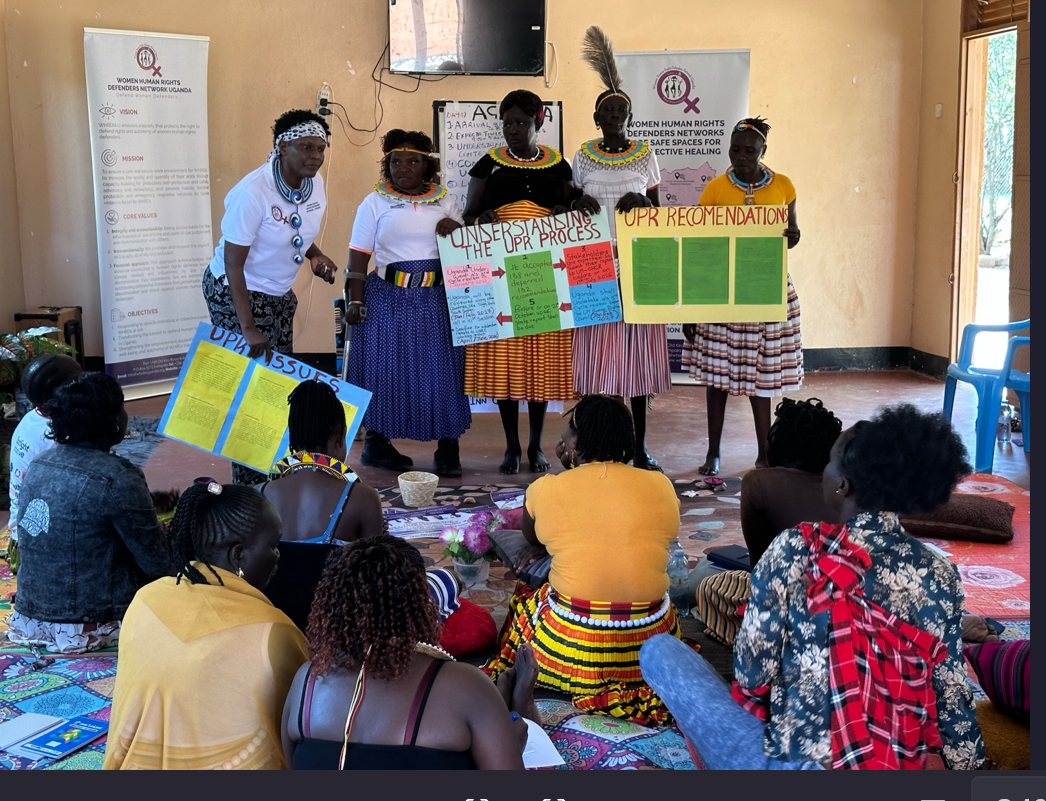
DEFENDING RIGHTS IN A SHRINKING CIVIC SPACE: WOMEN HUMAN RIGHTS DEFENDERS’ VOICES FROM UGANDA’S 2026 UPR CONSULTATION

By the Women Human Rights Defenders Network Uganda (WHRDN-U) | Brenda Kugonza

As Uganda prepares for its Fourth Cycle Universal Periodic Review (UPR) before the United Nations Human Rights Council scheduled for January to February 2027, the Women Human Rights Defenders Network Uganda (WHRDN-U) undertook a nationwide consultative process to ensure that the lived experiences, priorities, and protection concerns of women human rights defenders are fully reflected in the country’s national reporting and advocacy agenda. The consultation comes at a critical moment, as stakeholder submissions for the 2027 UPR cycle are due in July 2026, making it urgent to ensure that grassroots voices meaningfully shape Uganda’s human rights accountability commitments.

Uganda’s previous UPR review in 2021 resulted in the acceptance of 138 recommendations and the noting of 132 recommendations. While this reflects continued engagement with the international human rights system, women human rights defenders emphasized that gaps remain in implementation and in the protection of those working at the frontline of human rights defense. It is against this background that WHRDN-U initiated a structured consultation process between March and June 2026, reaching more than 60 women human rights defenders across different regions of the country.

The purpose of the consultation was to document and elevate the voices of women human rights defenders in order to inform Uganda’s UPR reporting process and strengthen advocacy for improved protection mechanisms. The process specifically sought to generate evidence-based insights on the protection environment for women defenders, including progress made since the last UPR cycle, emerging risks, and practical recommendations for strengthening legal, institutional, and community-based protection systems.

The consultation brought together a diverse group of women human rights defenders, including those working on environmental and land rights, gender-based violence response, anti-FGM advocacy, Indigenous women defenders from the Batwa and Benet communities, women defenders with disabilities, structurally silenced women defenders, and those operating in rural and remote areas. This diversity ensured that the consultation captured intersecting realities of risk, exclusion, and resilience across different identities and movements.

The consultations were conducted through participatory dialogue sessions designed to create safe and inclusive spaces for reflection and experience sharing. Women defenders collectively reviewed Uganda’s progress under the previous UPR cycle and discussed current protection challenges, barriers to civic space, and priority areas for reform. The process also enabled deeper analysis of how legal, political, social, economic, and digital environments are shaping the safety and work of women human rights defenders.

The findings revealed a persistent gap between Uganda’s legal and policy commitments and the lived realities of women human rights defenders. While Uganda has enacted important legal frameworks such as the Constitution of 1995, the Domestic Violence Act of 2010, the Prohibition of Female Genital Mutilation Act of 2010, and the Prevention and Prohibition of Torture Act of 2012, participants consistently reported that implementation remains weak and uneven, particularly in rural and high-risk contexts.

Women defenders working on female genital mutilation reported continued resistance rooted in cultural norms, which exposes both activists and survivors to threats, retaliation, and social exclusion. Despite the existence of the FGM law, enforcement challenges remain a serious concern, especially in border communities where cross-border practices persist.

Defenders working on gender-based violence highlighted ongoing risks including intimidation by perpetrators, interference in justice processes, stigma against survivors, and increasing forms of technology-facilitated violence. Online harassment, surveillance, and coordinated digital attacks were identified as growing threats that disproportionately target women activists and restrict their participation in public life.

Environmental and land rights defenders described experiences of criminalization, arbitrary arrest, detention, surveillance, and judicial harassment. Their work is often wrongly framed as anti-development, exposing them to public hostility and institutional pressure. Many also reported gender-specific risks such as sexual harassment, intimidation, and community stigmatization linked to their activism.

Indigenous women human rights defenders from the Batwa and Benet communities highlighted structural exclusion rooted in historical land dispossession, poverty, and geographic isolation. These intersecting inequalities continue to limit their access to protection services, justice systems, and meaningful participation in decision-making processes.

Women human rights defenders with disabilities reported systemic barriers including inaccessible institutions, exclusion from consultations, and lack of reasonable accommodation. They emphasized that disability rights issues remain underrepresented in national human rights discussions, further deepening their marginalization.

A particularly concerning finding was the situation of structurally silenced defenders, who face multiple and overlapping forms of violence including arbitrary arrest, surveillance, blackmail, eviction, and denial of essential services. Many reported self-censorships due to fear of reprisals, while organizations supporting marginalized communities face increasing operational and financial restrictions.

Defenders working in suspended civil society organizations reported severe socio-economic and psychological impacts, including loss of livelihoods, disruption of essential services, and increased vulnerability for communities that rely on their support systems. Electoral period-related risks were also highlighted, with defenders involved in civic education and election monitoring reporting harassment, arrests, intimidation, misinformation, and gendered attacks designed to discredit their work.

Despite these challenges, the consultation created a strong platform for solidarity and collective reflection among women human rights defenders. It strengthened shared understanding of cross-cutting risks, particularly those related to gender-based violence, digital safety, and shrinking civic space, while also generating a consolidated evidence base to inform Uganda’s UPR stakeholder submission.

The consultation further produced key recommendations aimed at strengthening protection for women human rights defenders. Participants called on the Government of Uganda to end arbitrary arrests, detention, intimidation, and judicial harassment linked to legitimate human rights work. They also urged the establishment of a dedicated, gender-responsive national protection mechanism for human rights defenders that addresses both physical and digital threats.

Strong emphasis was placed on the need to fully enforce existing laws, including those addressing domestic violence, FGM, and torture, while also strengthening national responses to technology-facilitated gender-based violence. Participants further called for the protection of freedoms of expression, association, and peaceful assembly, particularly during electoral periods, and for the removal of undue restrictions on civil society organizations.

The consultation also highlighted the need for targeted protection measures for Indigenous women defenders, women with disabilities, and other structurally marginalized groups to ensure their meaningful participation in national governance processes. Participants further called for improved access to justice, healthcare, housing, and essential services in safe and non-discriminatory environments.

In addition, women human rights defenders recommended the enactment of a gender-sensitive Human Rights Defenders Protection Law that explicitly recognizes women defenders and responds to their specific risks. They also urged Uganda to ratify the Optional Protocol to CEDAW to strengthen accountability mechanisms for women’s rights violations and to ensure meaningful inclusion of women human rights defenders in ongoing policy reforms, including the revision of the National Gender Policy.

In conclusion, the consultation confirms that women human rights defenders in Uganda continue to play a vital role in advancing justice, accountability, and community empowerment despite operating in increasingly restrictive environments. While Uganda has made important legal and policy commitments, significant gaps in enforcement and protection remain. The experiences and recommendations shared through this process provide critical evidence for strengthening Uganda’s 4th Cycle UPR engagement and advancing a safer, more enabling environment for women human rights defenders across the country.
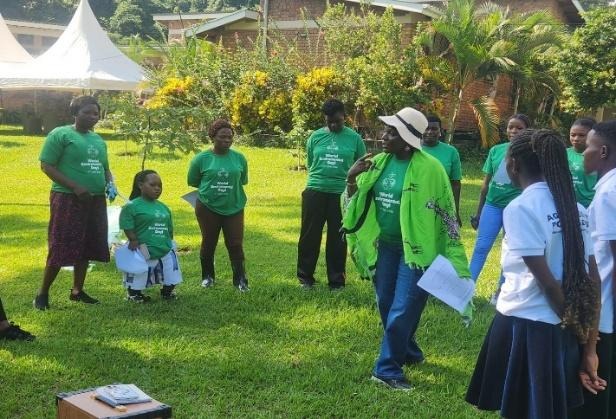
WOMEN ENVIRONMENTAL DEFENDERS UNITE FOR WORLD ENVIRONMENT DAY 2026

June 5, 2026 Bethany Land Institute, Luweero

On World Environment Day 2026, the Women Human Rights Defenders Network Uganda (WHRDN-U) brought together 11 Women Environmental Human Rights Defenders (WEHRDs) and five “Agroforestry Power Ladies” for a powerful learning and exchange visit at Bethany Land Institute (BLI) in Luweero District. Held under the global theme “Inspired by Nature, for Climate, for Our Future,” the commemoration highlighted the vital role of women in advancing environmental justice, climate resilience, and sustainable livelihoods.

The event was more than a commemoration it was a reminder of the central role women play in protecting ecosystems and advocating for climate action. Through interactive discussions, practical demonstrations, and a guided study tour of BLI’s learning centers, participants explored innovative approaches to:

  • Regenerative agroforestry and ecosystem restoration
  • Waste management and recycling
  • Organic farming and soil health
  • Biodiversity conservation and forest protection
  • Indigenous knowledge and herbal medicine

Brenda Kugonza, Team Leader of WHRDN-U, emphasized the importance of solidarity and experience sharing among defenders, while BLI Principal Mr. Kule Sylvester urged participants to honor nature by adopting environmentally friendly practices such as organic farming, tree planting, and ecosystem restoration.

Participants toured BLI’s three learning centers—Lazarus Forest, Mary’s School, and Martha’s Market—gaining practical insights into sustainable farming and conservation. Highlights included:

  • Mary’s Demonstration Farm: Creative recycling using plastic bottles for soil conservation and garden structures.
  • Soil Management Section: Composting, organic fertilizers, and natural pest repellents like wild sunflower and garlic.
  • Black Soldier Fly Unit: Circular farming innovations where larvae serve as protein-rich poultry feed.
  • Artificial Wetland System: Nature-based water purification for reuse.
  • Regenerative Agroforestry Models: Integrating crops, trees, and livestock for resilient food systems.
  • Self-Care & Herbal Medicine: Exploring indigenous remedies such as Aloe Vera and Indian Pennywort.
  • Lazarus Forest Walk: A 300-acre conservation area showcasing biodiversity and the importance of forest ecosystems.

Women defenders shared inspiring testimonies of their work across Uganda:

  • Annet (Buikwe): Mobilized communities against industrial water pollution.
  • Shamim (Kasese): Advocated for climate education in schools for children with disabilities.
  • Sharon (Girls for Climate Action): Supported women in eco-friendly enterprises like reusable sanitary pads.
  • Constance (Tororo): Introduced tree planting traditions, including planting a tree for every child born.
  • Elizabeth (Kikuube): Fought for women’s inclusion in sugarcane farming despite threats and backlash.

The commemoration strengthened participants’ knowledge and commitment to:

  • Replicating regenerative agroforestry and organic farming practices.
  • Promoting waste recycling and sustainable livelihoods.
  • Preserving indigenous knowledge and herbal medicine.
  • Expanding tree planting and forest conservation initiatives.
  • Building solidarity and peer learning networks among defenders.

Participants called for:

  • Continued protection and wellness support for women defenders.
  • More exchange visits and peer learning opportunities.
  • Training on safe advocacy and security practices.
  • Creation of safe spaces for reflection, healing, and self-care.
  • Stronger referral systems for defenders facing threats and violence.

 This commemoration at Bethany Land Institute was a testament to the resilience, creativity, and leadership of women environmental defenders. By embracing nature-based solutions and strengthening solidarity, they continue to safeguard Uganda’s environment for present and future generations.

STRENGTHENING WOMEN HUMAN RIGHTS DEFENDERS IN KARAMOJA: REGIONAL MEETING IN AMUDAT DISTRICT

May 21–22, 2026 – Amudat District, Karamoja Region

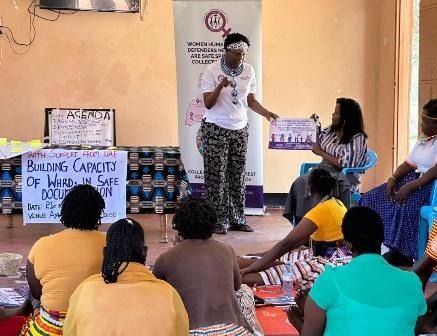
Women Human Rights Defenders (WHRDs) across Uganda continue to face serious threats including physical attacks, arbitrary arrests, domestic violence, and online harassment. To strengthen their resilience and practical skills in safe documentation and reporting, the Women Human Rights Defenders Network Uganda (WHRDN-U) convened a two-day regional meeting in Amudat District, bringing together 16 WHRDs from Kaabong, Moroto, Tapak Sogdek-Moroto, IK Land, Amudat, Nakapiripirit, Karita, and Napak districts.

Brenda Kugonza, Team Leader of WHRDN-U, reminded participants that WHRDs are frontline women fighting for human rights despite attacks from both state and non-state actors. She emphasized the importance of solidarity and partnerships with local government, welcoming Suzan Chuwai, Senior Assistant Secretary and survivor of FGM, who highlighted the need for women defenders to support each other in the face of gender-based abuse and cyberbullying.

Through group discussions, participants reflected on the types of violations they face:

  • Attacks on life: Threats, domestic violence, and community isolation.
  • Domestic violence and cultural discrimination: Physical assaults, sexual harassment, land grabbing, and harmful cultural norms.
  • Arbitrary detention and sidelining: Cases ignored or mishandled by authorities.
  • Verbal and online abuse: Hate speech, doxing, fake rumors, and intimidation.

The session underscored the importance of documenting violations, both online and offline, to ensure accountability and protection.

Participants engaged in practical case scenarios to distinguish between eligible, non-eligible, and fabricated cases. They learned the value of evidence, verification, and ethical assessment, as well as the need to document digital violations with screenshots, links, and police references.

On the second day, WHRDs visited Lukales Gold Mining Site in Karita, where Christine, chairperson of the Kyangaliya Women Group, shared her advocacy journey against harmful mining practices. Despite threats and attempts to silence her, Christine’s documentation and digital advocacy led to government intervention and eventual closure of the company. Her resilience inspired fellow defenders and highlighted the power of safe advocacy and digital tools in amplifying community voices.

  • WHRDs must continue documenting violations and strengthening digital security.
  • Partnerships with local government and commissions such as the Equal Opportunities Commission are vital.
  • Training in safe advocacy and digital tools remains a priority to empower women defenders.

The meeting successfully built solidarity among WHRDs, enhanced their knowledge on violations, and strengthened their documentation skills. However, cultural norms and fear of isolation remain significant barriers, with many violations still going undocumented.

STRENGTHENING SAFETY AND SOLIDARITY: WOMEN LEADERS GATHER IN KAMPALA

April 29–30, 2026 | Protea Skyz Hotel Kampala

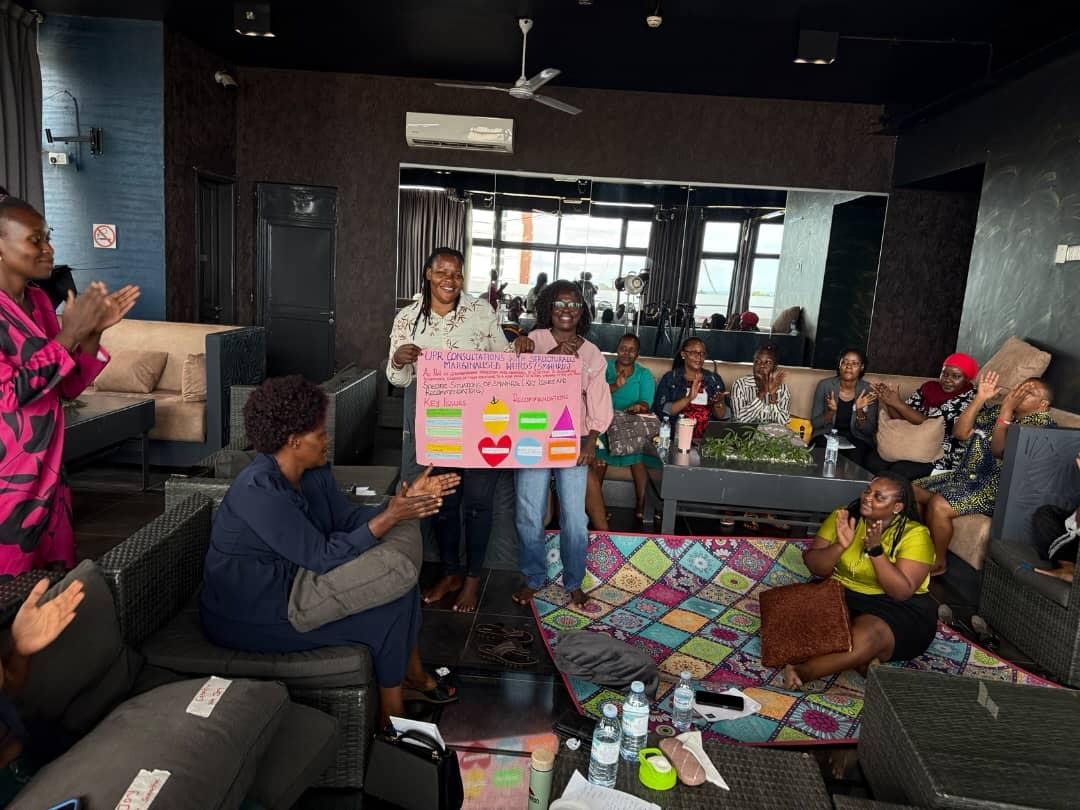
Twenty women leaders from structurally silenced organizations came together at Protea Skyz Hotel in Kampala for a two-day residential gathering organized by the Women Human Rights Defenders Network-Uganda (WHRDN-U). The convening created a vital space for safety, solidarity, and resilience-building among women human rights defenders (WHRDs) who often face isolation, legal threats, and community backlash.

The gathering was designed to:

  • Enhance practical understanding of how current laws are applied in Uganda.
  • Support women leaders to adopt safer daily work practices.
  • Reduce isolation through peer connection and solidarity.
  • Strengthen inclusive protections within the WHRDN-U network.

As one participant expressed, “This gathering is a space of connection, a place to reflect on safety and protection mechanisms, and to recognize the power within.”

  • Understanding the Law: Facilitators highlighted the challenges of Uganda’s legal environment, where compliance requirements often target civil society organizations. Litigation was discussed as a tool for change, though participants noted that court decisions frequently remain unimplemented.
  • Safety Strategies: WHRDs shared practical approaches to staying safe, including choosing advocacy spaces strategically, collaborating across regions, and leveraging collective action. “It’s better to be a living WHRD than a dead one,” one reminder emphasized.
  • UPR Consultations: Participants identified pressing issues such as restrictions on freedom of association, digital surveillance, economic insecurity, and cultural stigma. Recommendations included strengthening legal frameworks, ensuring inclusive participation, and restoring access to financial resources for NGOs.
  • Experience-Based Panel: Leaders shared survival strategies such as rebranding organizations, building cross-movement partnerships, promoting social enterprise, and minimizing office-based risks.

Beyond technical sessions, the gathering emphasized self-care, gratitude, and solidarity. Dancing and reflection exercises symbolized resilience and the determination to “shake off whatever structure or form limits women’s progress.”

The gathering concluded with practical opportunities for continued support, including access to legal expertise, counselling, and digital resources. Most importantly, it reaffirmed the collective strength of WHRDs in Uganda.

This event was more than a meeting, it was a declaration of resilience, a reminder that even in silenced spaces, women leaders continue to stand strong, protect one another, and push forward for justice.

STRENGTHENING RESILIENCE: WHRDN-U HOSTS COUNSELLING AND SOCIAL ENTERPRISE TRAINING FOR INVISIBLE WOMEN HUMAN RIGHTS DEFENDERS

April 23–24, 2026 – Esella Hotel

The Women Human Rights Defenders Network–Uganda (WHRDN-U) convened a powerful two-day counselling and social enterprise training for invisible Women Human Rights Defenders (WHRDs) from suspended organizations. The initiative aimed to restore hope, provide psychosocial support, and equip participants with practical tools for financial resilience and sustainable livelihoods.

The opening session, led by WHRDN-U Team Lead Brenda Kugonza, encouraged participants to embrace the safe space for healing and solidarity. Madam Ruth Matoya from Healing Talk Counselling Services facilitated group psychosocial support, guiding WHRDs through reflective conversations on loss, trauma, and resilience.

Participants shared deeply personal experiences of anxiety, grief, and identity loss following organizational suspensions. Through exercises connecting emotional pain to physical sensations, they realized how trauma manifests in the body. The session emphasized intentional living, holistic self-care, and reclaiming one’s voice.

One participant reflected, “I have learnt that grief is ok as long as it’s normal and manageable.” Another added, “This session helped me realize I have been living in survival mode. Now I need to slow down and prioritize my wellbeing.”

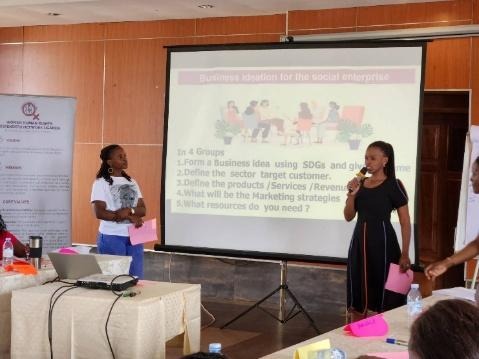
The second day, facilitated by Dr. Joyce Tamale of Capital Solutions Limited, focused on entrepreneurship as a pathway to resilience. Under the theme “Appreciating Entrepreneurship for Financial Resilience,” WHRDs explored mindset change, intrapreneurship, and the “5 D’s” of financial resilience—Discipline, Death, Divorce, Debt, and Disease.

Dr. Tamale emphasized the importance of starting small, adopting a growth mindset, and aligning business ventures with social impact. Participants brainstormed enterprises addressing issues such as gender-based violence, unemployment, menstrual poverty, and child neglect.

One inspiring example was the proposal to establish day care centers offering counselling support for neglected children. Others shared lived experiences of running small businesses, highlighting both successes and challenges.

Over the next six months, WHRDs committed to:

  • Testing small-scale business ideas with minimal resources.
  • Strengthening personal and business branding.
  • Leveraging networks and community assets for growth.
  • Practicing structured time management to balance employment and entrepreneurship.

The training reinforced the need to shift from donor dependency to market-oriented thinking, embrace resilience, and build sustainable ventures that respond to real community needs.

This two-day initiative provided WHRDs not only with therapeutic healing but also with entrepreneurial skills to reimagine their futures. By combining psychosocial support with social enterprise training, WHRDN-U continues to strengthen the resilience of women defenders navigating uncertainty, ensuring they remain empowered voices for justice and equality.

STRENGTHENING WOMEN HUMAN RIGHTS DEFENDERS: WHRDN-U HOSTS TRANSFORMATIVE CAPACITY BUILDING WORKSHOP

March 5-7, 2025 | Esella Country Hotel

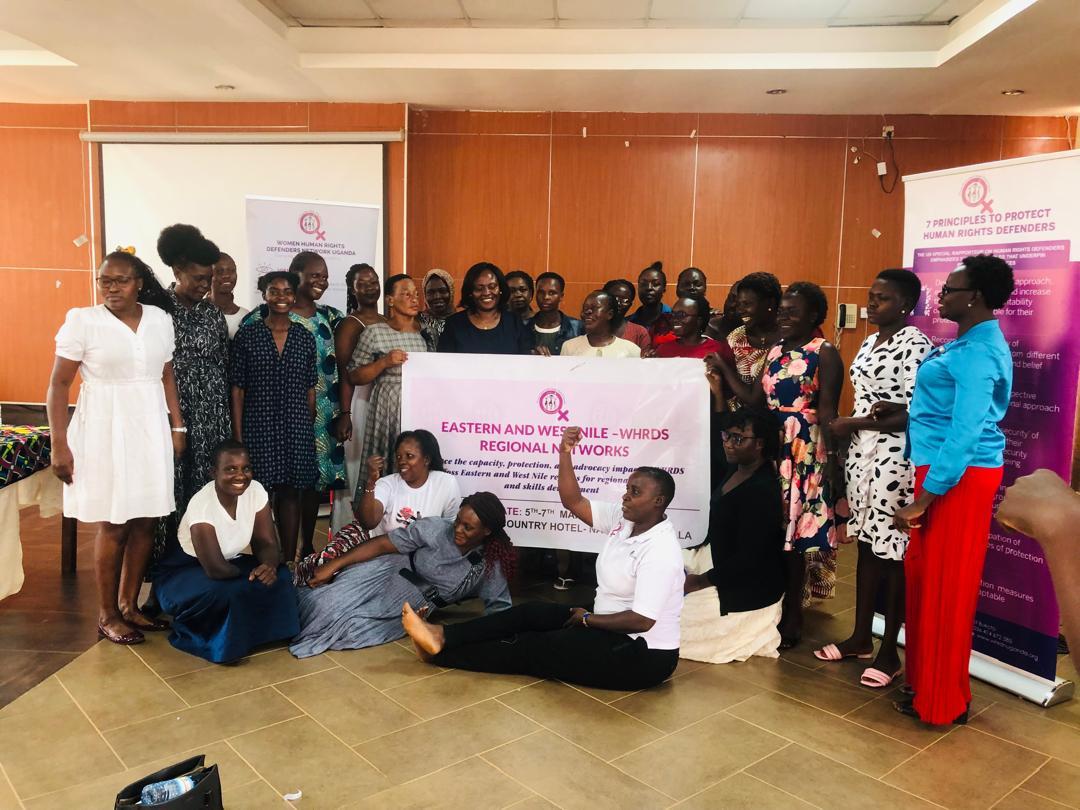
The Women Human Rights Defenders Network Uganda (WHRDN-U) successfully concluded a three-day residential capacity building workshop that brought together 25 Women Human Rights Defenders (WHRDs) from Eastern and West Nile regions. The workshop, held at Esella Country Hotel from March 5-7, 2025, focused on improving reporting mechanisms, strengthening evidence-based advocacy, and building stronger alliances among defenders.

Opening Remarks Set the Tone for Solidarity

Executive Director Brenda Kugonza opened the workshop by acknowledging the courageous work of, who advocates for marginalized groups despite facing significant challenges. “We have individuals like her, but we have chosen to render them invisible,” Kugonza noted, emphasizing the need to identify and support active human rights defenders who lack organizational backing.

The opening session also featured powerful testimonies, including Agodo Joroline’s account of being attacked for defending the health rights of sex workers, highlighting the real dangers WHRDs face in their work.

Institutional Engagement: Building Connections with National Protection Mechanisms

Uganda Human Rights Commission (UHRC) Partnership

Director Ruth Ssekindi from UHRC provided comprehensive training on engaging with national protection mechanisms. She emphasized fundamental principles: “Human rights are entitlements that every person has by virtue of being human, such as the right to food, life, speech, worship, water, and the right to receive information.”

The session covered UHRC’s mandate, which includes:

  • Conducting civic education and sensitization
  • Visiting detention facilities
  • Receiving and investigating complaints free of charge
  • Monitoring human rights situations nationwide
  • Reviewing parliamentary bills for human rights compliance

Importantly, WHRDs learned they can lodge complaints through multiple channels: walk-ins, phone calls, written complaints, and interactions with investigation officers, with all services provided at no cost.

Equal Opportunities Commission (EOC) Collaboration

Monica introduced the Equal Opportunities Commission to participants, with Peace Anirwath from EOC presenting her colleagues, including Counsel Miragi Musena, the Acting Head of Legal Department and Investigations, and Ms. Loyo Susan, who handles EOC inquiries.Counsel Musena provided a comprehensive overview of EOC’s mandate, emphasizing its role in eliminating discrimination and inequalities based on sex, age, race, disability, and other grounds. He clarified an important distinction: EOC is a government statutory body, not an NGO.

The session included concrete examples of EOC’s work addressing unequal treatment:

  • Property discrimination cases
  • Gender-based inheritance issues
  • HIV-related employment discrimination
  • A case involving a young girl with albinism who faced discrimination from a school headteacher

Participants inquired about the difference between UHRC and EOC, Counsel Musena explained that while UHRC handles human rights violations (particularly police brutality cases), EOC specifically focuses on discrimination and unequal treatment issues.

EOC’s comprehensive services include issuing court summons, providing mobile legal clinics in underserved communities, offering alternative dispute resolution (ADR) services, conducting public inquiries, reviewing laws, and making policy recommendations. Counsel Musena also highlighted upcoming mobile legal clinics planned for Mityana and Bulisa districts.

C:\Users\I LIFE\AppData\Local\Microsoft\Windows\INetCache\Content.Word\IMG-20250307-WA0067.jpg

Evidence-Based Advocacy: Understanding the Challenges

The workshop examined WHRDN-U’s comprehensive report documenting attacks on WHRDs from 2020-2024. The findings revealed alarming statistics:

Types of Attacks:

  • 82% faced cyber harassment including hacking and targeted online violence
  • 52% experienced arbitrary arrests in 2020, with 20% in 2024
  • 39% received threats and intimidation
  • 21% encountered gender-based violence and sexual harassment

Perpetrators Identified:

  • Community members (57%) – residents, business owners, and community leaders
  • Family members and local leaders (41%)
  • Government institutions and private corporations (32%)
  • Security forces (26%)
C:\Users\I LIFE\AppData\Local\Microsoft\Windows\INetCache\Content.Word\IMG-20250307-WA0001.jpg

Participants role play how to engage in policy advocacy 

Wellness and Collective Care: Nurturing the Nurturers

Recognizing the emotional toll of human rights work, the workshop included dedicated wellness sessions. Executive Director Kugonza personally acknowledged each defender’s contributions while highlighting their challenges:

  • Emily Drijaru’s community support work despite facing criticism
  • Namaganda Lydia’s dedication to supporting HIV-positive mothers amid financial constraints
  • Maimuna Mami’s resilience after being beaten, arrested, and isolated for supporting marginalized communities
  • Stella Biryema’s defense of GBV survivors despite personal safety risks

Practical Skills Development

Risk Assessment and Security Planning

Monica led comprehensive security training covering:

Office Security:

  • Visitor management procedures and identification protocols
  • Physical security measures including cameras, locks, and lighting
  • Emergency contact maintenance
  • Trustworthy personnel hiring practices

Digital Security:

  • Strong password protocols
  • Avoiding public Wi-Fi for sensitive work
  • Regular file backups
  • Mobile phone security measures

Policy Advocacy through Role-Playing

Sarah Namogolo facilitated role-playing exercises where WHRDs practiced presenting reports to policymakers. The simulation included testimonies from defenders about online abuse and unfair arrests, with “policymakers” responding with commitments to support and collaboration.

Network Strengthening and Alliance Building

The workshop emphasized alliance-building as crucial for amplifying WHRD voices. Strategies discussed included:

  • Storytelling: Sharing personal narratives to increase visibility
  • Social Media Mobilization: Using digital platforms for mutual support
  • Media Outreach: Engaging journalists to highlight human rights work
  • Solidarity Visits: Supporting fellow defenders facing risks

Concrete Action Plans and Outcomes

The workshop concluded with specific commitments:

  1. Eastern Region Engagement: Alubo Annet will lead Eastern region members in engaging with UHRC using WHRDN-U policy briefs
  2. Arua District Outreach: Emily Drijaru will meet with district committee members during a Swedish ambassador visit on March 19, 2025
  3. Enhanced Security: All WHRDs committed to improving workplace security through stronger passwords and visitor management
  4. Documentation: Continued case documentation for sharing with the Urgent Action Fund
  5. Network Expansion: Identifying new WHRDs in communities for database inclusion

Follow-up Success: UHRC Soroti Engagement

The workshop’s impact was immediately evident when Eastern region WHRDs successfully engaged with UHRC’s Soroti regional office on April 11, 2025. Commissioner Akello Josephine welcomed the partnership, acknowledging that she had been unaware of WHRDs in the community and expressing willingness to provide support, especially for vulnerable groups who cannot afford legal representation.

Moving Forward Together

This capacity building workshop represents a significant milestone in strengthening the network of Women Human Rights Defenders across Uganda. By combining institutional engagement, practical skills development, wellness support, and alliance building, WHRDN-U has equipped defenders with essential tools to continue their vital work while better protecting themselves and supporting each other.

The testimonies, learning, and commitments from these three days demonstrate that when WHRDs come together, share experiences, and build collective knowledge, they become more effective advocates for human rights and more resilient in the face of challenges.

As the network continues to grow and strengthen, the impact of this workshop will ripple through communities across Eastern and West Nile regions, ultimately benefiting the marginalized populations these brave defenders serve.

Published by Brenda Kugonza

EMPOWERING WOMEN HUMAN RIGHTS DEFENDERS: WHRDN-U HOSTS TRANSFORMATIVE REGIONAL CAPACITY-BUILDING WORKSHOP

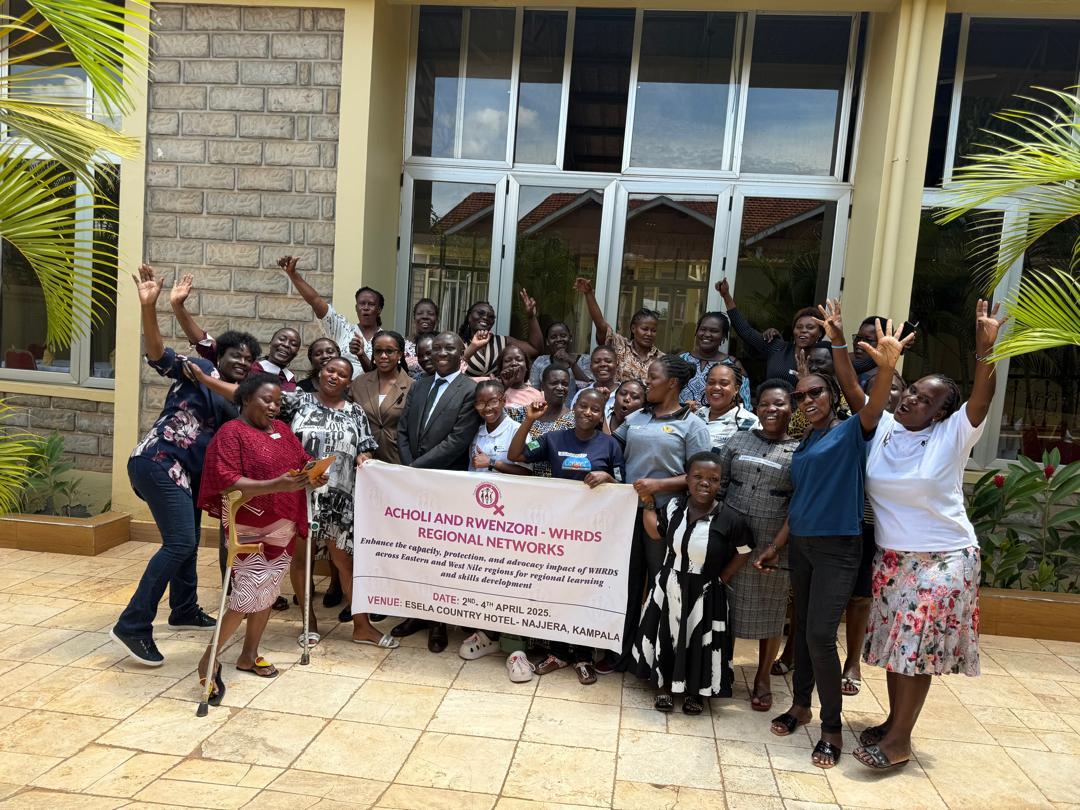
The Women Human Rights Defenders Network Uganda (WHRDN-U) successfully conducted a three-day residential regional capacity-building workshop at Esella Country Hotel in Kampala from April 2nd-4th, 2025. This landmark event brought together 25 Women Human Rights Defenders (WHRDs) from the Acholi region (Pader, Aleptong, Nwoya, Omoro, Kitgum, Gulu, and Lamwo districts) and Rwenzori region (Kabarole, Kasese, Bundibugyo, Kisoro) to strengthen their resilience, protection mechanisms, and advocacy impact.

Addressing Critical Challenges through Cross-Regional Learning

The workshop addressed the significant challenges faced by WHRDs in Uganda, including threats, violence, and systemic inequalities that hinder their advocacy efforts. Participants work on diverse human rights issues including Land Rights, Economic Rights, Disability Rights, Sexual and Reproductive Health Rights, HIV/AIDS Rights, Sex Workers Rights, Indigenous Rights, and Teenage mothers’ rights.

Setting Clear Expectations

The workshop began with participants sharing their expectations and aspirations. Gorreti Kajumba expressed her desire to “learn as WHRDs how can they engage with Uganda Human Rights Commission in their communities, nations and at nationwide level.”

Ataro Juliet highlighted specific challenges: “I expected to learn how to report complaints where they have been attacked because of defending Human Rights, for example women Human Rights Defenders who has been attacked for arresting clan leaders who has defiled a 09-year-old child, and men attacking GBV shelter managers in Gulu because they have given shelter to women who are trying to run away from abusive men domestic violence.”

Auma Sindy raised critical questions about evidence requirements: “If we are to report attacks against us the WHRDs for the good work we do of defending rights, what facts, what evidence and what details about this incident from WHRDs so that we receive support from Uganda Human Rights Commission?”

Day One: Institutional Engagement and Risk Assessment

Engaging with Uganda Human Rights Commission

Ms. Ruth Ssekindi, Director of Monitoring and Inspections at Uganda Human Rights Commission (UHRC), delivered a comprehensive session on institutional engagement. She responded directly to participants’ concerns, outlining practical ways WHRDs can engage with UHRC through regional offices, writing requests, and building rapport through regular visits.

The session covered the mandate of UHRC as a constitutional body with 24 offices across Uganda, emphasizing that “As a woman human rights defendant, you have a right to speak up. If you see an injustice, speak up.”

Powerful Testimonies of Lived Experiences

Participants shared deeply personal experiences that highlighted the urgent need for protection mechanisms. Happy Paskezia shared a harrowing testimony: “A woman who had independently purchased a piece of land faced accusations from her husband that she was involved with other men who were purchasing the land for her. In a violent act driven by these allegations, he proceeded to cut off her hands.”

Another participant recounted childhood trauma: “There was a case of a child rights violation. A child was locked up in a pit latrine. At that time, I was also a child of 9 years old. When I went to UHRC regional office in Fort-Portal, I had the worst experience. The 1st day, the gate keeper chased me away. The next day I entered the gate, the staff did not believe in me and neither did they act on my case.”

Risk Assessment and Security Planning

Through interactive role plays, participants learned crucial security planning skills. The exercises demonstrated the stark difference between operating with and without proper risk assessment, covering scenarios including office break-ins, land rights demonstrations, and online media engagement.

Day Two: Equal Opportunities and Evidence-Based Advocacy

Understanding Equal Opportunities Commission

Counsel Musema from the Equal Opportunities Commission (EOC) explained the commission’s mandate to eliminate discrimination and marginalization. He shared compelling case studies, including: “A lady from Lamwo district, works in the US and she was the only surviving child. When her father died, the uncle said that she was not going to inherit her father’s property because she was a girl. The lady made a telephone call to the commission, a response was very swift… The case was resolved.”

Addressing Cultural Discrimination

Participants highlighted various discriminatory practices across regions. Halima Nasaka from Kasese testified: “Every recruitment favoured Bakonjo than other tribes. Most recruitment and high cadres jobs were for one ethnicity. That was a systemic issue. EOC through the directives of the tribunal, intervened.”

Other testimonies included:

  • “In Tooro, a woman legally married cannot own the property upon the death of her husband”
  • “Among the Bakonjo, if the girl gets a chance to go to school and thereafter becomes pregnant, she gets neglected”
  • “Basongola ladies do not get education. If they reach the age of marriage, they kidnap them, and bring them back to the family to be married off”

Evidence-Based Advocacy Training

WHRDN-U staff disseminated findings from their assessment on violence against WHRDs in Uganda (2020-2024). Through role plays with media and policy makers, participants learned to present compelling evidence-based arguments for WHRD protection.

Day Three: Documentation and Moving Forward

Understanding WHRD Identity and Work

The final day focused on documentation and reporting violations. A facilitator emphasized that “this is the first report that showed that women human rights defenders were attacked for doing good work of defending human rights.”

Participants learned that being a WHRD requires no specific qualifications – they are found everywhere from community homes to online spaces, hospitals to markets, doing crucial work including counseling survivors, advocating for policies, providing shelter services, and fighting harmful cultural practices.

Network Protection Services

The workshop highlighted WHRDN-U’s comprehensive protection approach:

One participant testified: “I received a rapid response when our office was broken into. The network enhanced the physical security. I also received a referral for protection. The network also wrote to frontline human rights and they supported me with money for office relocation.”

Another shared: “I received 500,000 for wellness and self-care when I was attacked online that I was promoting sex work.”

Key Successes and Participant Feedback

The workshop achieved remarkable success in building capacity and fostering solidarity. Participant feedback was overwhelmingly positive:

Day One Feedback: Ataro Juliet Olal reflected: “Participants increased their awareness on risk assessment and security planning and learnt computer security.”

Fiona Ladwar shared: “Before the workshop I was not minding about my body and my mental health, now I feel more rejuvenated.”

Tuhaise Marygrace noted: “This workshop has opened my eyes to how connected our well-being is to our human rights work.”

Final Reflections: Ataro Juliet Olal concluded: “It was a great initiative to make me part of the Women Human Rights Defenders (WHRDs) to attend the 3 days Workshop. I will continue to play a crucial role in advocating for WHRDs that often face significant risks in their work. Especially the training on case incidence reporting that equipped me with the necessary skills to document violations effectively, referral to seek justice, and amplify their voice.”

Mulhumbira Dinah emphasized: “After attending the session on documenting and reporting violations, now feel equipped to document and report threats safely.”

Murungi Beatrice captured the spirit of solidarity: “I have learnt that we cannot work in isolation, we need each other and that there is strength in numbers.”

Gorret Kajumba shared a powerful lesson: “Some of us as WHRDs our advocacy initiatives do not lead to positive actions because all along we never used data collected to share recommendations to engage in advocacy… I remember in my village 15 women activists we held a meeting with our Member of Parliament to help us deal with increasing child marriage. He denied our message because she asked how many girls were out of school, which sub counties and who the perpetrators were and we did not have the facts right.”

Action Plan and Moving Forward

The workshop concluded with concrete commitments:

UHRC Commitments:

  • Include partner organizations in regional offices
  • Strengthen collaboration with WHRDs across regions

WHRDN-U Actions:

  • Official partnership requests to UHRC and EOC
  • Regional dissemination of the assessment report in Acholi (Pader) and Rwenzori (Kabarole)

WHRD Commitments:

  • Regular engagement with UHRC regional offices
  • Improved documentation and reporting of violations
  • Continued advocacy with evidence-based approaches

Looking Ahead

This workshop represents a significant milestone in strengthening the capacity and protection of WHRDs across Uganda. By bringing together voices from diverse regions and backgrounds, fostering institutional partnerships, and building concrete skills in risk assessment, advocacy, and documentation, WHRDN-U has created a foundation for more effective and safer human rights work.

The testimonies shared throughout the workshop underscore both the challenges faced by WHRDs and their unwavering commitment to justice. As they return to their communities equipped with new knowledge, stronger networks, and enhanced protection mechanisms, these defenders continue the vital work of promoting human rights for all Ugandans.

The path forward requires sustained collaboration between WHRDs, institutional partners like UHRC and EOC, and continued investment in capacity building. Through such efforts, the vision of a Uganda where all human rights defenders can work safely and effectively moves closer to reality.

Published by Brenda Kugonza

EMPOWERING VOICES: WHRDN-U REGIONAL WORKSHOP STRENGTHENS WOMEN HUMAN RIGHTS DEFENDERS

Building Bridges across Regions: A Three-Day Journey of Learning, Solidarity, and Resilience

Introduction

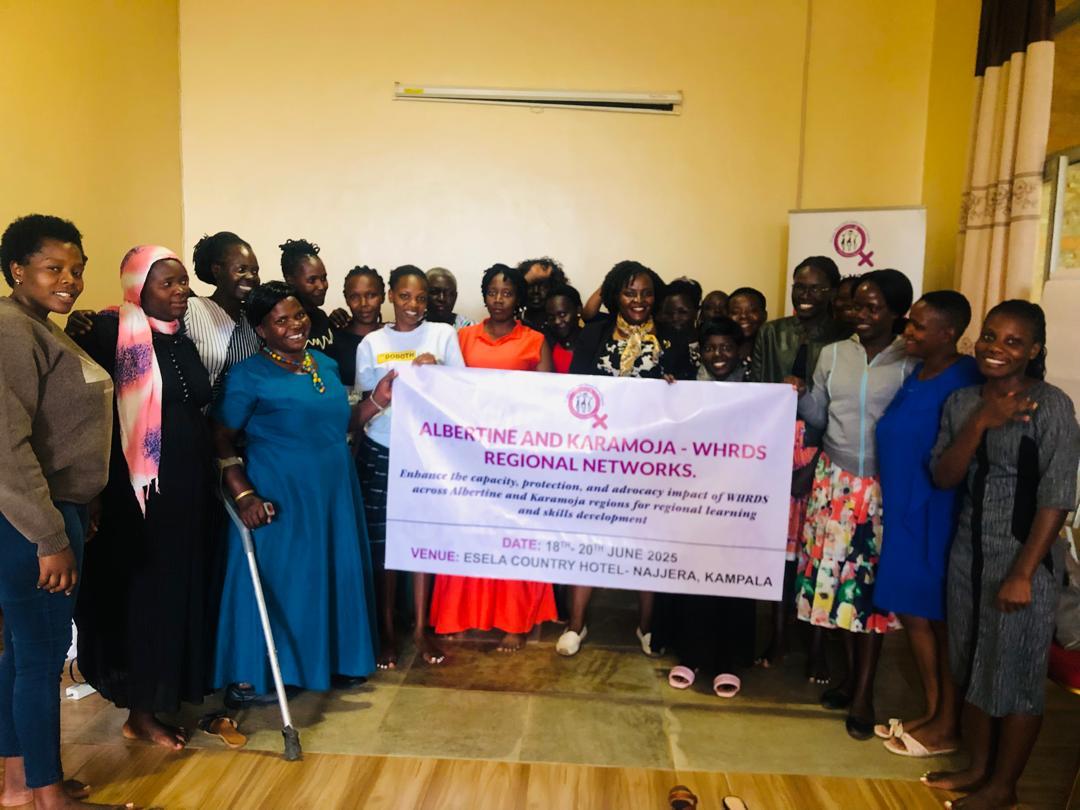
In a powerful demonstration of cross-regional solidarity and shared commitment to human rights, the Women Human Rights Defenders Network Uganda (WHRDN-U) brought together 25 dedicated activists from the Albertine and Karamoja regions for a transformative three-day residential workshop. Held at Esella Country Hotel in Kira from June 18-20, 2025, this capacity-building initiative exemplified the network’s commitment to strengthening the protection and advocacy impact of WHRDs across Uganda through collaborative learning and skills development.

Day One: Setting Hearts and Minds for Change

Opening with Love and Purpose

The workshop began with a symbolic gesture that would define the entire experience. Facilitator drew a heart on the flip chart, explaining that this symbol represents the love and care that Women Human Rights Defenders show in their work. “All participants have gathered in this space out of love for one another, their communities, and the human rights cause,” she emphasized, setting a tone of solidarity that would permeate the entire workshop.

Participants engaged in a reflective exercise, sharing their expectations and contributions on sticky notes—a simple yet profound way to create shared purpose and encourage active participation from the outset.

Institutional Engagement: Uganda Human Rights Commission

The first major session featured Ms. Ruth Ssekindi, Director of Monitoring and Inspections for the Uganda Human Rights Commission (UHRC), who addressed critical questions that reflected the lived experiences of WHRDs across regions:

  • Where can WHRDs report violations during their work?
  • How can WHRDs engage with UHRC offices in Albertine and Karamoja?
  • How should defenders respond to violations from authority figures or community attacks?
  • How can WHRDs hold UHRC accountable, especially in politically sensitive contexts?

Priscillar’s Testimony: “I was initially turned away at the UHRC regional office in Hoima. Only after the District Internal Security Officer intervened through a phone call did the office admit it was operational. This experience raised questions about the Commission’s responsiveness and accessibility.”

Ms. Ssekindi grounded her response in Uganda’s legal framework, referencing Articles 51 and 52 of the 1995 Constitution. She outlined multiple avenues for lodging complaints:

  • Walk-in visits to UHRC offices (free of charge)
  • Email submissions through the UHRC website
  • Toll-free phone lines and direct calls
  • Twitter/X spaces and the UHRC mobile app
  • Community outreach events

Real Stories, Real Impact: Participant Testimonies

The session became deeply personal as participants shared their experiences:

Pauline’s Case: “The military confiscated cattle from our community. I reported to local authorities and police with documented evidence, then escalated to the RDC.”

Dorcus’s Dilemma: “A woman was severely beaten by her husband and clan members for alleged infidelity. I feared that if I intervened, the same fate would befall me.”

Florence’s Complex Journey: “My human rights work led to community backlash, forced relocation, and violence. The situation involved family conflicts, co-wives, and police inaction.”

Josephine’s Disturbing Account: “A woman was chased from military barracks with a newborn, then assaulted by her husband at the police station while officers failed to act due to power dynamics.”

Ms. Ssekindi’s advice was both practical and empowering:

  • Report all violations to UHRC, police, or legal aid institutions like FIDA-U
  • Understand mental health dynamics, especially in trauma-related situations
  • Find creative legal alternatives, such as mass weddings to protect property rights
  • Invest in land and education for girls
  • Don’t internalize negative cultural norms that inhibit women’s rights

Emily’s Empowering Story: “Despite being denied land ownership by my husband, I used agricultural compensation to invest in land and rentals in Nebbi. I later mobilized women to form a support group, highlighting the importance of economic independence.”

Rita’s Reflection: “The information given is real. It will shape us into better people, role models, and stronger Women Human Rights Defenders.”

Risk Assessment and Security Planning

The afternoon session employed innovative role-play scenarios to strengthen participants’ security preparedness.

Role Play 1: Office Break-In Scenarios

Scene 1 – Without Risk Assessment: Two staff members experienced a break-in where phones, laptops, and hard drives were stolen. The organization had no data backups, weak passwords, no security guard, and no visitor management system.

Scene 2 – With Risk Assessment: The same office faced another break-in attempt, but proactive measures minimized impact:

  • Trained security guard present
  • Visitor registry in place
  • Strong passwords and cloud backup
  • Neighbors sensitized to report suspicious activity

Role Play 2: Land Rights Demonstration

Scene 1 – Without Planning: Women activists staged a spontaneous protest against land grabbing. Without prior risk assessment, protesters were arrested, some subjected to violence and sexual assault, with no legal support or medical supplies available.

Scene 2 – With Proper Planning: The same group organized a peaceful protest following comprehensive risk assessment:

  • Stakeholder mapping and support networks identified
  • Police notified and clearance obtained
  • Pro bono lawyer secured
  • Protective supplies prepared (PEP, emergency contraceptives)
  • Communication protocols established

While arrests still occurred for route deviation, the lawyer intervened promptly with proper documentation.

Key Lesson: Risk assessment and security planning significantly reduce both physical and digital threats, with proactive communication enhancing safety during public advocacy.

Wellness and Collective Care

Executive Director Brenda Kugonza facilitated a deeply interactive session emphasizing that self-care is not luxury but necessity for WHRDs working under pressure.

Norah Basemera’s Insight: “Self-respect includes simple acts like serving oneself adequate portions of food—these are expressions of self-worth and care.”

The session addressed sensitive topics with cultural sensitivity:

Maria’s Perspective: As a sex worker, Maria shared that she views sex as a form of exercise and self-care.

Pauline’s Reality: From Karamoja, Pauline explained how Female Genital Mutilation (FGM) effects have diminished sexual desire for many women in her community.

The facilitator provided broader cultural context, encouraging WHRDs not to compare themselves to other cultural standards but to find personal, meaningful ways to enjoy intimacy as part of holistic self-care.

Day Two: Expanding Institutional Knowledge

Equal Opportunities Commission Engagement

Peace Arworoth introduced the EOC as a constitutional body addressing inequality, marginalization, and discrimination while promoting affirmative action for vulnerable groups.

Marginalized Groups Identified:

  • People with Disabilities (PWDs)
  • Women facing patriarchal limitations
  • Persons Living with HIV (PLHIV)
  • Ethnic minorities
  • Elderly persons
  • LGBTQI+ community
  • Sex workers
  • Children
  • Youth
  • Communities in hard-to-reach areas

Robinah’s Success Story: “An HIV-positive girl was dismissed from her job and nearly attempted suicide. Upon reporting to EOC, the victim received compensation from the employer.”

Maria’s Victory: “A sex worker was evicted and publicly exposed due to her work and HIV status. The landlady was reported, arrested, and ordered to pay UGX 7 million compensation.”

Claudia’s Observation: “Youth are regularly excluded from job opportunities under the assumption of inexperience.”

Evidence-Based Advocacy: Stakeholder Engagement

The session modeled a stakeholder meeting with participants divided into district-level officials and WHRDs. This practical approach strengthened capacity for effective engagement based on assessment report findings.

Key Reflections:

Priscila: “WHRDs often focus primarily on their own organizational issues during stakeholder engagements, sometimes overlooking broader community interests. We need a more collective approach.”

Lydia: “Understanding your audience—the type of stakeholders being engaged—and thorough preparation are crucial.”

Robinah: “Local government engagements can be influenced by political dynamics. Some officials might offer false promises, so we must manage expectations.”

Norah: “Legal and administrative compliance is vital—ensure organizational documentation like valid permits and district files are up to date before engagement.”

Day Three: Documentation and Action

Documenting Violations: Critical Skills for Critical Times

The protection officer facilitated hands-on training using case scenarios and incident forms, emphasizing documentation’s importance as elections approach—a period when WHRDs face increased targeting.

Critical Warning: The facilitator stressed the need to assess cases critically, as some individuals may present false claims for undeserved support or to damage others’ reputations.

Robinah Tibakanya’s Caution: “A woman falsely claimed to be an HIV-positive activist. After being supported, her dishonesty was revealed, and she retaliated by attempting to damage my reputation within the community.”

Akello Sarah’s Network Building Journey: “In my early days in Moroto, I was the only WHRD and was often overshadowed by male counterparts. Through continuous documentation and advocacy, the network expanded, and I now benefit from solidarity and support whenever I face threats.”

Important Reminder: The network must remain non-partisan. Members were advised not to use WHRDN-U’s name, materials, or identity for political campaigns.

Action Planning: Concrete Commitments

Participants developed specific action plans:

  • Shannon: Mobilize 5 WHRDs from different Karamoja districts to join Dorcus in Amudat for solidarity visit on July 30, 2025
  • Josephine: Mobilize Karamoja WHRDs for self-sponsored collective care session by July 8, 2025
  • Norah: Lead Albertine WHRDs to refer 2 discrimination cases to EOC by July 15, 2025
  • Joviah: Lead Albertine WHRDs to refer 1 human rights violation case to UHRC by July 8, 2025, followed by a collective care retreat led by Lydia
C:\Users\user\Downloads\PHOTO-2025-06-21-19-39-22 (3).jpg

Key Successes and Impact

Transformational Outcomes

Enhanced Stakeholder Engagement: Participants gained practical skills for effective engagement with district-level platforms and key stakeholders.

Strengthened Collaboration: The workshop fostered solidarity and strengthened collaboration among WHRDs, encouraging peer learning and collective action.

Improved Legal Preparedness: CBO owners and managers were encouraged to ensure compliance with legal requirements before advocacy engagement.

Evidence-Based Advocacy: WHRDs improved their ability to conduct and present data-driven advocacy using assessment insights.

Peer Inspiration: Success testimonies from WHRDs who engaged with EOC and UHRC served as powerful motivators.

Self-Care Promotion: Participants gained practical tools for mental well-being and resilience, essential for sustained activism.

Lessons Learned

  • Access to justice should be pursued regardless of perpetrator status or influence
  • Multiple reporting channels exist for violations (walk-ins, email, toll-free numbers, apps, social media)
  • Regional UHRC offices provide crucial partnership opportunities
  • Consistent documentation and follow-up are essential
  • Cultural norms that silence women or normalize violence must be questioned
  • Routine risk assessments help identify potential threats
  • Self-care techniques are vital for preventing burnout and trauma
  • Peer stories reduce isolation and build practical strategies

Challenges Addressed

Emotional Distress: Personal testimonies triggered emotional responses, highlighting the need for ongoing psychosocial support.

Security Concerns: WHRDs identified gaps in personal and organizational security, especially in remote areas.

Burnout Risks: Participants often work in isolation without adequate support networks.

Capacity Needs: Some reported language barriers and limited formal education affecting full engagement with legal discussions.

Looking Forward: A Network Strengthened

This residential workshop exemplified WHRDN-U’s commitment to building a resilient, knowledgeable, and connected network of Women Human Rights Defenders. By combining institutional knowledge with practical skills, personal testimonies with collective action planning, and regional perspectives with national frameworks, the workshop created a powerful foundation for continued advocacy.

The testimonies shared throughout these three days, rom Priscillar’s persistence with UHRC to Emily’s economic empowerment journey, from Maria’s courage as a sex worker advocate to Akello Sarah’s network-building success, demonstrate the incredible strength, resilience, and determination of Uganda’s Women Human Rights Defenders.

As participants return to their communities in Albertine and Karamoja, they carry with them not just enhanced skills and knowledge, but a renewed sense of solidarity and shared purpose. Their action plans provide concrete steps forward, while their testimonies serve as powerful reminders that individual courage, when supported by collective action and institutional engagement, can create meaningful change.

The heart symbol that opened this workshop, representing love, care, and commitment, continues to guide WHRDN-U’s work. Through workshops like this, the network ensures that no WHRD stands alone, that every voice is heard, and that the fight for human rights in Uganda grows stronger with each passing day.

For more information about WHRDN-U’s work or to connect with the network, visit our website or contact us directly. Together, we are stronger.

Published by Brenda Kugonza

STRENGTHENING VOICES, BUILDING NETWORKS: WHRDN-U HOSTS TRANSFORMATIVE REGIONAL CAPACITY BUILDING WORKSHOP

July 2-4, 2025 | Kampala, Uganda

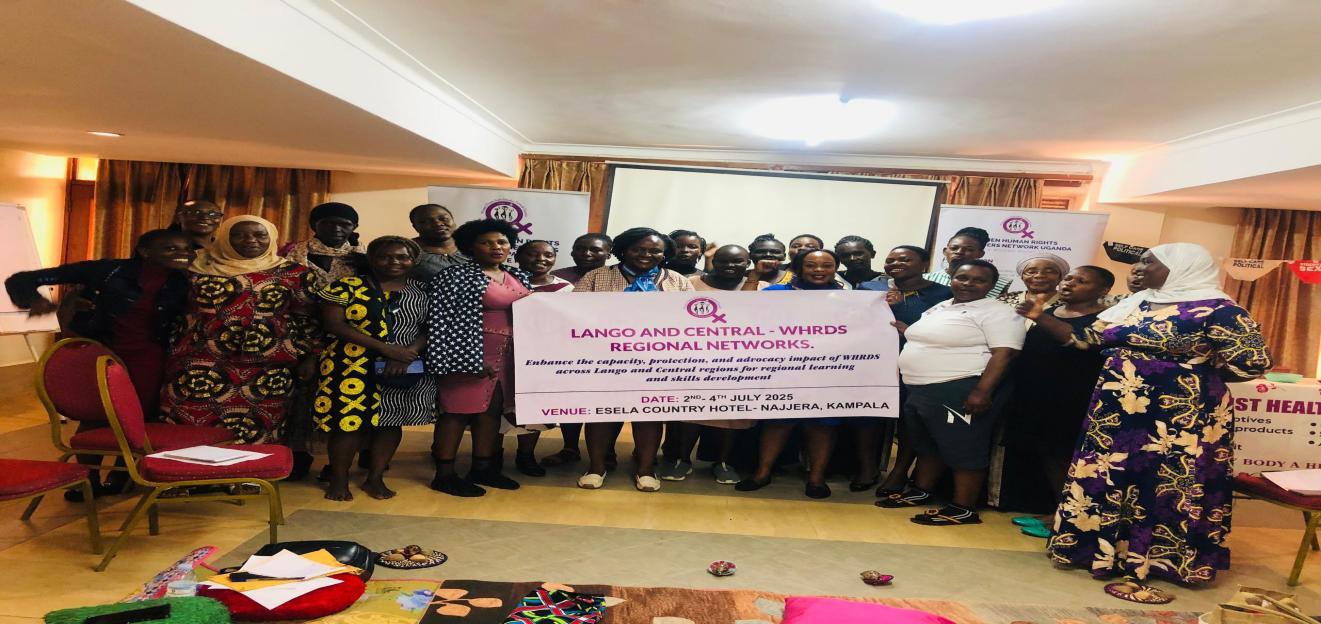
Women Human Rights Defenders Network Uganda (WHRDN-U) successfully concluded a groundbreaking three-day residential capacity building workshop that brought together 20 dedicated Women Human Rights Defenders (WHRDs) from Central and Lango regions. The workshop, held from July 2-4, 2025, in Kampala, marked a significant milestone in strengthening the advocacy impact and protection mechanisms for women defenders across Uganda.

Building Relationships across Regions

The workshop’s core objective was clear: enhance the capacity, protection, and advocacy impact of WHRDs through cross-regional learning and skills development. With participants representing diverse advocacy backgrounds, from combating early marriages to defending sex workers’ rights, the gathering created a powerful platform for shared learning and mutual support.

“We shall never go back when we are the same due to the information shared,” expressed Akello Jamilla, capturing the transformative spirit that permeated the three-day event.

Institutional Partnerships: Opening New Doors

Uganda Human Rights Commission: A Strategic Alliance

Ruth Sekinde, Director at the Uganda Human Rights Commission (UHRC), delivered a powerful session that challenged participants to recognize their worth and impact. Her opening message resonated deeply:

“One key lesson learned in my human rights work journey is that women are very important, but women underestimate themselves. Women are enemies of each other, but there is space for all of us.”

Through interactive case studies and stereotype-breaking exercises, Ruth helped participants understand that speaking about human rights doesn’t mean being against government, but rather addressing issues that affect people’s lives. The session equipped defenders with practical knowledge on how to engage UHRC mechanisms for accountability and protection.

Equal Opportunities Commission: Addressing Discrimination Head-On

Counsel Peace from the Equal Opportunities Commission brought fresh perspectives on tackling discrimination and marginalization. Her session revealed that only 5 out of 20 participants had previously interacted with EOC, highlighting a crucial gap that the workshop aimed to bridge.

C:\Users\user\Downloads\1000521797.jpg

Participants shared powerful testimonies of discrimination:

  • Maria, a sex worker rights defender: “As a sex worker, people hate you because they don’t like someone doing sex work.”
  • Betty, on tribal discrimination: “I felt neglected because I was always harassed by the stepmother due to my mixed heritage,my mother was Munyarwanda and father was Muganda.”
  • Getrude, on gender-based exclusion: “While in a committee meeting full of men, I am always denied a platform to make any submission.”

“After meeting with an EOC representative, my hopes have been built up because I believe Lango regional economic disparities can be addressed,” shared Jamila, expressing renewed optimism.

Personal Safety and Collective Care: Revolutionary Self-Preservation

One of the workshop’s most innovative elements was the wellness and collective care session, including guided nap time—a radical act of self-preservation in a field where defenders often sacrifice personal well-being for their cause.

“Most times women are lost in work, they never have time for themselves, but taking a nap is not a burden,” emphasized facilitator Brenda Kugonza.

Participants learned that self-care isn’t selfish but essential: “Rest and self-care are so important. When you take time to replenish, it allows you to serve from an overflow.”

Risk Assessment through Real-Life Scenarios

The workshop featured three compelling role-play sessions that brought security challenges to life:

  1. Office Security Breach: Participants navigated the aftermath of break-ins at women’s organizations, learning the importance of information backup and collaborative response.
  2. Land Grabbing Resistance: Defenders faced unlawful arrest and sexual violence while fighting for women’s land rights, highlighting the need for legal aid networks and emergency support systems.
  3. Media Advocacy Challenges: A role-play involving early marriage prevention through media advocacy demonstrated the political intimidation defenders face and the critical importance of cross-regional networking.

Evidence-Based Advocacy: From Stories to Systems Change

Through targeted advocacy simulations, participants learned that preparation builds confidence and personal testimonies create powerful evidence for systemic change. The workshop emphasized that documentation isn’t just record-keeping. It is  the foundation of evidence-based advocacy that can transform policies and save lives.

Challenges and Honest Reflections

The workshop didn’t shy away from difficult realities. Key challenges identified included:

  • Cultural and Religious Rigidity: Deep-rooted beliefs that limit full engagement in human rights work
  • Isolation Among WHRDs: Many defenders lack support networks and safe spaces
  • Limited Documentation Capacity: Knowledge gaps in effectively recording human rights violations

Looking Forward: A Network Strengthened

As the workshop concluded, participants weren’t just better informed.They were transformed. The network, now comprising 145 members across regions, committed to:

  • Identifying and documenting WHRDs in their districts
  • Continuing evidence-based advocacy training
  • Providing emergency response support (legal, medical, psychological)
  • Promoting cross-cultural visits and emotional well-being initiatives
  • Creating opportunities for experienced WHRDs to facilitate future training sessions

The Ripple Effect Begins

“After this workshop, we’re not just returning to our communities. We’re returning as empowered advocates with tools, networks, and renewed purpose,” reflected one participant.

The WHRDN-U residential workshop proved that when women defenders come together, share experiences, and build alliances, the impact extends far beyond individual empowerment. It creates a movement capable of challenging systems, protecting the vulnerable, and building a more equitable Uganda.

Published by Brenda Kugonza

TRAINING TRANSLATES TO ACTION: ALBERTINE REGION TEAM CHAMPIONS EQUAL OPPORTUNITIES

WHRDN-U’s capacity building initiatives continue to yield tangible results as participants apply their knowledge to address critical human rights issues in their communities.

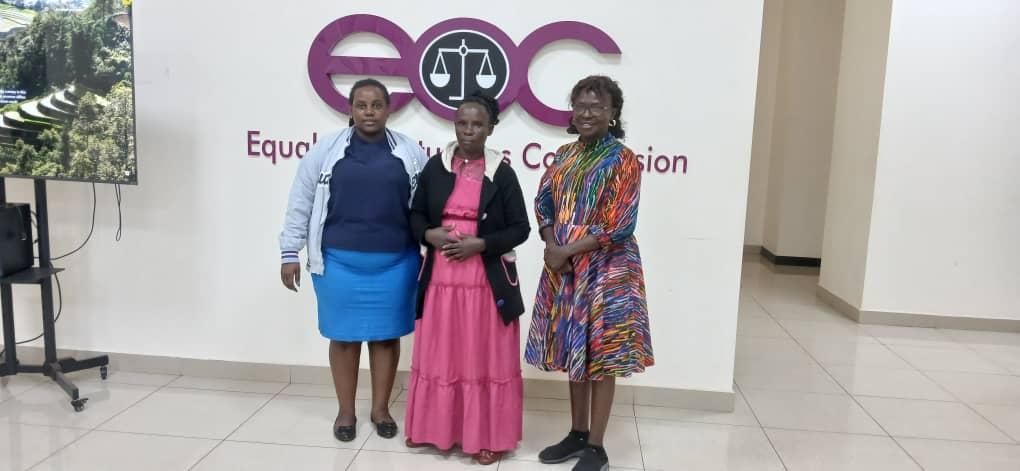
In a powerful demonstration of how effective training can catalyze meaningful change, a dedicated team from Uganda’s Albertine region has taken decisive action to combat marginalization in their area. Following their participation in WHRDN-U’s specialized training on “Engagement with Institutions/Policy Makers,” the team has successfully referred cases of marginalization to the Equal Opportunities Commission.

C:\Users\user\Downloads\PHOTO-2025-07-17-17-57-23.jpg

This initiative exemplifies the core mission of the Women’s Human Rights Defenders Network-Uganda (WHRDN-U) – building capacity among human rights defenders to effectively engage with institutional frameworks and policy-making processes. The training equipped participants with essential skills and knowledge on how to navigate formal channels for addressing human rights violations and promoting equal opportunities for all.

The Albertine region team’s proactive approach in identifying and referring marginalization cases demonstrates the practical application of their newly acquired skills. By working directly with the Equal Opportunities Commission – Uganda’s constitutional body mandated to eliminate discrimination and inequalities – the team is ensuring that affected individuals and communities have access to proper legal recourse and protection.

This action represents more than just a referral process; it signifies a systematic approach to human rights advocacy where defenders are empowered with the knowledge and confidence to engage with formal institutions effectively.

The success story from the Albertine region highlights the importance of targeted capacity building in strengthening Uganda’s human rights ecosystem. When human rights defenders are equipped with the right tools and knowledge, they become powerful agents of change in their communities.

WHRDN-U remains committed to providing such transformative training opportunities that not only educate but inspire action. The organization continues to build the capacity of women human rights defenders across Uganda, ensuring they have the skills needed to effectively advocate for human rights and engage meaningfully with policy-making institutions.

This impact story serves as an inspiration to other human rights defenders across the country and demonstrates the ripple effect of quality training programs. As WHRDN-U continues to expand its capacity building initiatives, more communities will benefit from having skilled advocates who can navigate institutional frameworks to secure justice and equal opportunities for all.

The work of the Albertine region team stands as a testament to the power of education, training, and committed action in the fight for human rights and social justice in Uganda