May 21–22, 2026 – Amudat District, Karamoja Region
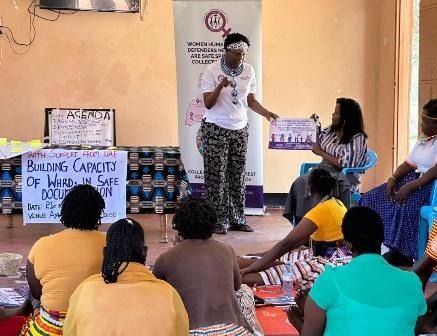
Women Human Rights Defenders (WHRDs) across Uganda continue to face serious threats including physical attacks, arbitrary arrests, domestic violence, and online harassment. To strengthen their resilience and practical skills in safe documentation and reporting, the Women Human Rights Defenders Network Uganda (WHRDN-U) convened a two-day regional meeting in Amudat District, bringing together 16 WHRDs from Kaabong, Moroto, Tapak Sogdek-Moroto, IK Land, Amudat, Nakapiripirit, Karita, and Napak districts.
Opening Voices of Solidarity
Brenda Kugonza, Team Leader of WHRDN-U, reminded participants that WHRDs are frontline women fighting for human rights despite attacks from both state and non-state actors. She emphasized the importance of solidarity and partnerships with local government, welcoming Suzan Chuwai, Senior Assistant Secretary and survivor of FGM, who highlighted the need for women defenders to support each other in the face of gender-based abuse and cyberbullying.
Identifying Violations Against WHRDs
Through group discussions, participants reflected on the types of violations they face:
- Attacks on life: Threats, domestic violence, and community isolation.
- Domestic violence and cultural discrimination: Physical assaults, sexual harassment, land grabbing, and harmful cultural norms.
- Arbitrary detention and sidelining: Cases ignored or mishandled by authorities.
- Verbal and online abuse: Hate speech, doxing, fake rumors, and intimidation.
The session underscored the importance of documenting violations, both online and offline, to ensure accountability and protection.
Building Documentation Skills
Participants engaged in practical case scenarios to distinguish between eligible, non-eligible, and fabricated cases. They learned the value of evidence, verification, and ethical assessment, as well as the need to document digital violations with screenshots, links, and police references.
Field Visit: Mining and Environmental Rights
On the second day, WHRDs visited Lukales Gold Mining Site in Karita, where Christine, chairperson of the Kyangaliya Women Group, shared her advocacy journey against harmful mining practices. Despite threats and attempts to silence her, Christine’s documentation and digital advocacy led to government intervention and eventual closure of the company. Her resilience inspired fellow defenders and highlighted the power of safe advocacy and digital tools in amplifying community voices.
Key Learnings and Way Forward
- WHRDs must continue documenting violations and strengthening digital security.
- Partnerships with local government and commissions such as the Equal Opportunities Commission are vital.
- Training in safe advocacy and digital tools remains a priority to empower women defenders.
Successes and Challenges
The meeting successfully built solidarity among WHRDs, enhanced their knowledge on violations, and strengthened their documentation skills. However, cultural norms and fear of isolation remain significant barriers, with many violations still going undocumented.
Pictorial of the Activity


